The right meal prep containers turn a chore into a habit. The wrong ones leak in your bag, warp in the microwave, hold onto tomato stains forever, and quietly sabotage your meal prep entirely. After three years of testing — including the brutal real-world challenges of microwaving curry, freezing chili, washing 60+ loads in the dishwasher, and surviving subway commutes — these are the containers that hold up. Here are the best meal prep containers across glass, plastic, stainless, and budget tiers, plus what to actually look for.
The 8 best meal prep container sets in 2026
These 8 sets cover every use case — glass vs plastic, portion-controlled compartments vs single sections, budget vs premium. All widely available on Amazon.
1. Rubbermaid Brilliance

Rubbermaid Brilliance — leak-proof, stain-resistant, microwave/freezer safe. The best all-around plastic set.
2. Bentgo Prep 3-Compartment

Bentgo Prep — pre-portioned 3-compartment design, perfect for portion control and reheating.
3. Prep Naturals Glass 20-Pack

Prep Naturals — 20-pack of glass containers, best cost per container in the glass category.
4. Pyrex Glass 18-Piece Set

Pyrex — oven-safe tempered glass. Reheat straight from freezer to oven.
5. Ello Duraglass

Ello Duraglass — glass with silicone sleeves that make them drop-resistant.
6. Snapware Total Solution

Snapware Total Solution — Pyrex glass with 4-latch snap lids for airtight seal.
7. Freshware Bento (Best Budget)

Freshware Bento — 50-pack of BPA-free plastic bento containers under $30.
8. OXO Good Grips POP

OXO POP — modular airtight containers, best for pantry staples with push-button seal.
The 8 best meal prep container sets in 2026
These 8 sets cover every use case — glass vs plastic, portion-controlled compartments vs single sections, budget-friendly bulk vs premium sealed. All are widely available on Amazon.
1. Rubbermaid Brilliance

Rubbermaid Brilliance — leak-proof, stain-resistant, microwave/freezer safe. The best all-around plastic set.
2. Bentgo Prep 3-Compartment

Bentgo Prep — pre-portioned 3-compartment design, perfect for portion control and reheating.
3. Prep Naturals Glass 20-Pack

Prep Naturals — 20-pack of glass containers, best cost per container in the glass category.
4. Pyrex Glass 18-Piece Set

Pyrex — oven-safe glass with tempered borosilicate. Reheat straight from freezer to oven.
5. Ello Duraglass

Ello Duraglass — glass with silicone sleeves that make them drop-resistant. Best of both worlds.
6. Snapware Total Solution

Snapware Total Solution — Pyrex glass with 4-latch snap lids that create a strong airtight seal.
7. Freshware Bento (Best Budget)

Freshware Bento — 50-pack of BPA-free plastic bento containers under $30. Perfect for weekly prep.
8. OXO Good Grips POP

OXO POP — modular airtight containers, best for pantry staples (grains, flour, snacks). Push-button seal.
- Best overall (glass): Pyrex Simply Store — durable, oven-safe, dependable
- Best plastic: Rubbermaid Brilliance — actually leak-proof, BPA-free, clear
- Best stainless: ECOlunchbox Three-in-One — divided, plastic-free, kid-friendly
- Best budget: Prep Naturals 5-pack — solid glass set under $40
- Skip: Snapware (warps fast), most generic plastic sets, anything with rubber gaskets you can’t remove
What actually matters in a meal prep container
Six features separate the containers worth buying from the disposable plastic that ends up in a recycling bin within 6 months:
1. Actual leak-proofness. “Snap” lids alone aren’t enough — most leak when held at any angle. Look for containers with silicone gaskets and four-clip locking lids (or threaded screw-tops for round containers). If the manufacturer doesn’t explicitly claim leak-proof with liquids, assume it isn’t.
2. Microwave-safe with the lid off (or with a vent). Plastic containers without ventilation can build pressure and pop the lid. Glass is microwave-safe but the lid usually isn’t — most need to come off. Stainless steel is microwave-incompatible entirely.
3. Dishwasher durability. The big differentiator. Cheap plastic warps after 5-10 dishwasher runs, leaving you with lids that no longer seal. Glass and quality plastic (Tritan, polypropylene #5) survive hundreds of cycles. Always check whether the lid is dishwasher-safe — many “dishwasher-safe” containers have hand-wash-only lids buried in the fine print.
4. Stain and odor resistance. Tomato sauce, curry, and turmeric will stain any plastic container in time. Glass and stainless steel don’t stain. If you cook a lot with red sauces or curries, this alone may justify glass.
5. Stackability and storage. Containers that don’t nest or stack well take up disproportionate cabinet space. Square or rectangular shapes stack better than round. Sets where lids nest separately from bases save the most space.
6. Volume sizing. A 4-cup (32 oz) container fits a typical adult meal of protein + vegetables + grain. 2-cup containers are for sides and snacks. 8-cup containers are for batch cooking, not single meals. A useful set has at least 4-6 of the 4-cup size and 2-3 of the smaller sizes.
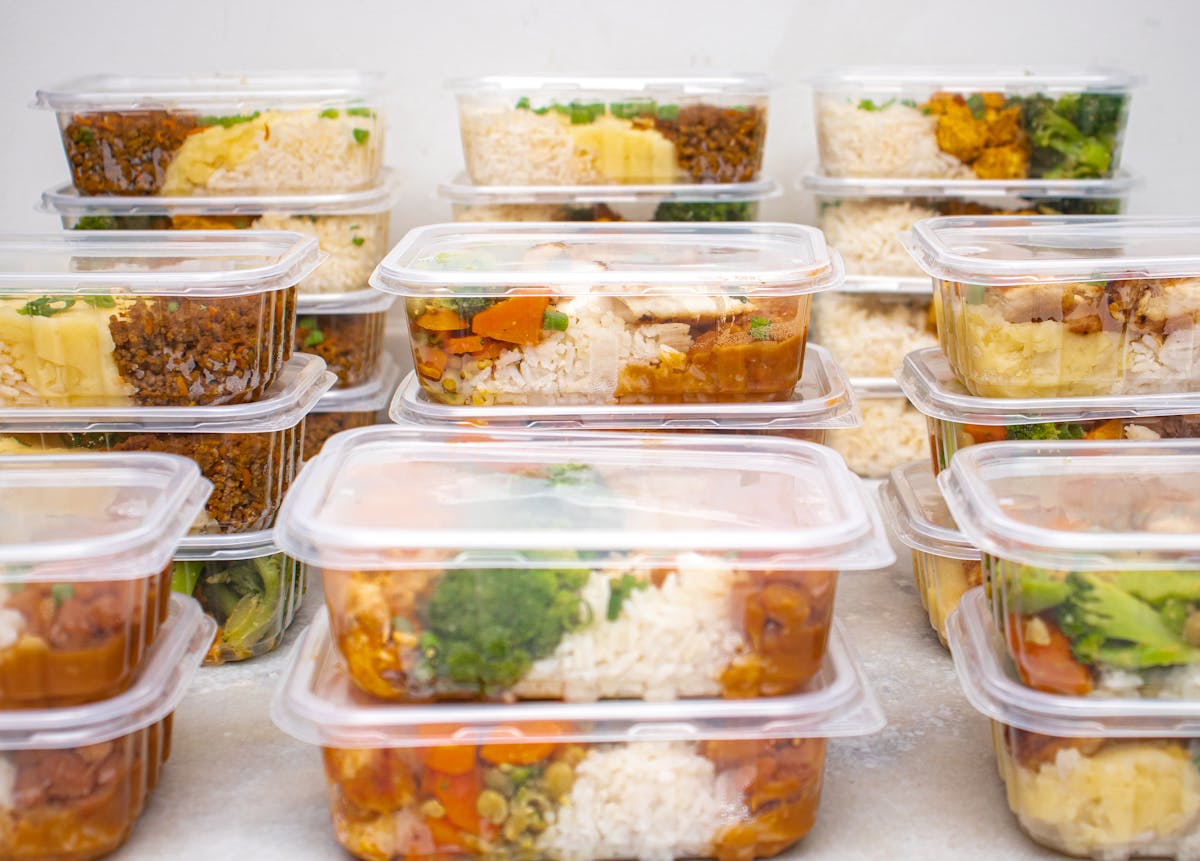
Best meal prep containers for 2026
1. Pyrex Simply Store — best overall (glass)
The standard against which all glass meal prep is measured. Pyrex’s borosilicate-style soda-lime glass survives oven temps up to 425°F, dishwasher heat, freezer-to-oven transitions, and basically anything short of dropping on tile (which will shatter it, period). Lids are BPA-free plastic with silicone seals that genuinely lock and don’t leak.
What you get: 18-piece set (9 containers, 9 lids) typically $35-45 on sale. Sizes range from 1-cup ramekins to 7-cup casserole-sized.
Trade-offs: Heavy (each piece is 0.8-1.5 lbs). Glass shatters if dropped on hard surfaces. Lids occasionally crack after years of heavy dishwasher use — Pyrex sells replacement lids separately.
Best for: Anyone who reheats meals at home and wants a once-and-done container investment. Couples or families where the containers stay in the kitchen.
2. Rubbermaid Brilliance — best plastic
The plastic container that finally got plastic right. Crystal-clear Tritan plastic that doesn’t fog or yellow over time, leak-proof four-latch lids with a built-in vent for microwave use, and BPA-free construction. Survives the dishwasher better than 90% of plastic containers.
What you get: 5-piece sets ~$30, 10-piece ~$50. Sizes from 1.3 cups to 9.6 cups.
Trade-offs: Plastic, so it stains over time with curries and tomato sauces (slower than typical, but still). The four-latch system is great until one of the latches breaks — usually around year 2-3 of daily use. Don’t put the lid in the top rack of a high-heat dishwasher cycle.
Best for: Commuters, parents packing kids’ lunches, anyone who wants lighter weight than glass. The leak-proof guarantee actually holds.
3. ECOlunchbox Three-in-One — best stainless
Plastic-free stainless steel bento-style container with three separate compartments. The construction is heavier-duty than the typical bento — feels like cookware quality. Lids snap on tight enough for dry foods and soft items; not pressure-proof for soups.
What you get: One 3-compartment container, ~$40. ECOlunchbox sells various other shapes individually.
Trade-offs: Not microwave-safe (stainless steel). Not leak-proof for liquids. Premium price for one container vs. multi-piece sets.
Best for: Plastic-avoiders, parents packing solid-food lunches for kids, anyone who reheats food in the oven (stainless is oven-safe).
4. Prep Naturals Glass 5-pack — best budget
A 5-container glass set with snap-lock plastic lids under $40. Performance is 80-90% of Pyrex at 60% of the price. Lids leak more readily than Pyrex’s but stay sealed for dry-to-semi-wet foods.
What you get: Five 35 oz rectangular glass containers with locking lids.
Trade-offs: Replacement lids harder to source. Lids less durable than Pyrex over many years. Not as well-made — but more than 90% of users have no complaints.
Best for: Budget-conscious shoppers who want glass without the Pyrex price. People testing whether meal prep is going to stick before investing more.
5. Bentgo Salad Container — best for portable salads
A salad-specific container with a four-compartment tray (greens base, toppings, protein, dressing cup) that prevents soggy lunches. The dressing well holds 3 tablespoons in a small leak-proof cup.
What you get: One container ~$15. Built specifically for the “salad lunch” use case.
Trade-offs: Single-purpose. Plastic, so the same staining issues as other plastic containers. Microwave-safe but you’d rarely microwave a salad.
Best for: Salad-for-lunch eaters. Pairs perfectly with our cauliflower-corn-cucumber salad recipe.
6. OXO Good Grips POP Containers — best for bulk dry goods
Not technically meal prep containers, but if your meal prep includes batch-cooking grains, oats, or other staples, the OXO POP series is the gold standard for dry-good storage. One-push airtight seal, modular sizing that stacks perfectly, and clear sides so you can see what you have.
What you get: Various-sized containers, $15-25 each. Best as a 5-10 piece curated set.
Trade-offs: Expensive per unit. Top rack dishwasher only.
Best for: Meal preppers who batch-cook oats, rice, quinoa, dried legumes, or who store bulk ingredients on countertop.
If you’re buying ONE set: get the Pyrex Simply Store 18-piece. It’s the most-used kitchen item in most serious-cook households for a reason. The cost-per-year over a decade works out to about $4 — cheaper than buying takeout for one meal that gets you “out of meal prep mode.” Glass weighs more but it’s an investment, not a consumable.
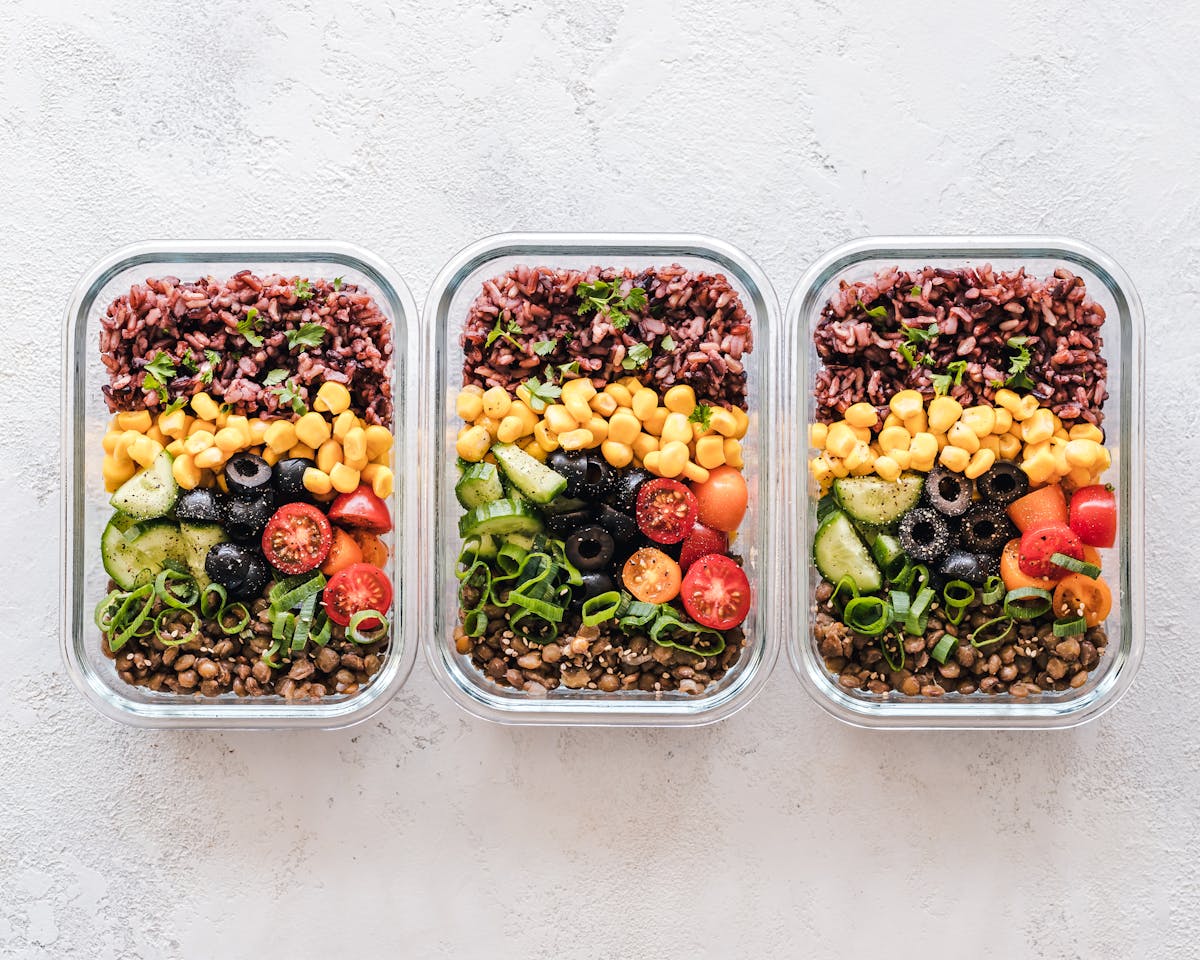
Containers to skip (and why)
Snapware (the original line). Once the standard, the modern Snapware containers have noticeably degraded in quality — the lids warp after a year of dishwasher use, and the company has been bought and sold enough times that QC is inconsistent. Skip in favor of Rubbermaid Brilliance.
Most disposable “to go” containers from Amazon. The 50-pack of plastic containers for $20 type. They work for 5-10 uses before the lid clip system breaks or the container starts to warp. Net per-use cost is higher than buying real containers once.
Anything labeled “BPA-free” without ALSO being BPS-free and BPF-free. BPA replacements aren’t always safer. Quality manufacturers explicitly list all three. If the brand only addresses BPA, treat it as suspicious.
Silicone collapsible containers. Look great in YouTube videos, terrible in actual use. They retain odors, don’t hold shape under load, and the snap-lid systems leak. Skip these even though they save space.
Containers with rubber gaskets you can’t remove. The gaskets harbor mold and bacteria over time. Any container that doesn’t let you remove and clean the gasket separately is a sanitation issue waiting to happen.
How many containers do you actually need?
A typical week of meal prep for one person:
- 5 lunches: 5 medium (4-cup) containers
- 3-5 dinners (if you prep both): 3-5 large (6-cup) containers
- Daily breakfast: 1-2 small (2-cup) containers for overnight oats, parfaits
- Snacks and sides: 4-6 small (1-2 cup) containers
Total minimum: 15-20 containers for one person doing meal prep for a full week. For a couple, double it. For a family of four, triple it (but plan to wash mid-week).
The Pyrex 18-piece set covers single-person needs; couples typically buy two sets, or supplement Pyrex with a Rubbermaid Brilliance set for the lunch boxes that travel daily.

Meal prep container best practices
Cool food before sealing. Trapping steam creates condensation that makes everything soggy by day 2. Let prepared food cool to room temperature on the counter (max 60-90 min) before lidding and refrigerating.
Keep wet and dry separate when possible. If you can store dressings, sauces, and crispy elements (croutons, nuts, fresh greens) in small separate containers, the main meal stays better. Adds 30 seconds of assembly at lunch but doubles the quality.
Don’t seal hot food. Especially with glass containers, the temperature shift from hot food + cold fridge can stress the glass over time. Wait for cooling.
Wash lids separately. Most container failures start with the lid (clips break, silicone gaskets degrade). Hand-washing lids extends their lifespan dramatically. Bases can go in the dishwasher.
Label dates if you batch a lot. A piece of masking tape with a date saved on the lid prevents the “is this 3 days old or 6?” question. Most cooked proteins last 3-4 days; cooked grains 5-7; cooked vegetables 4-5; soups and stews 5-7.
FAQ
Glass or plastic — which is actually better?
Glass for home use and reheating. Plastic (BPA-free, like Rubbermaid Brilliance) for portable use. Most people end up with a mix: glass for home meals, plastic or stainless for things that travel.
Are plastic containers safe to microwave?
Yes, if the container is explicitly labeled microwave-safe AND BPA/BPS/BPF-free. The concern with plastic and microwaves is chemical leaching at high temperatures — modern food-grade plastics designed for microwave use don’t have this problem. Always vent the lid or remove it.
How long do meal prep containers last?
Glass: indefinitely (until you break one). Quality plastic: 3-5 years with daily use. Cheap plastic: 6-18 months before warping or lid failures. Stainless steel: indefinitely.
Can I freeze meals in glass containers?
Pyrex Simply Store and most modern Pyrex products are freezer-safe. Leave 1 inch of headspace at the top to allow for expansion. Don’t transfer directly from freezer to a hot oven — let glass come to room temperature first to avoid thermal shock.
What’s the deal with bento boxes?
Bento-style containers with compartments work great for portion-controlled meals and prevent flavor mixing. Stainless bentos (PlanetBox, ECOlunchbox) are durable but pricey. Plastic bentos (Bentgo) are affordable but stain. Choose based on your meal style — bentos work better for cold/room-temp meals than hot ones.
Do meal prep containers need to be airtight?
For refrigerator storage, “secure seal” is enough — keeps moisture in and other smells out. True airtight is more important for freezer storage (prevents freezer burn) and dry-goods storage. Most leak-proof lids are functionally airtight.
Should I get one big set or several smaller sets?
One quality 18-piece glass set + a 5-piece plastic set for travel is the sweet spot for most people. Adding sets piecemeal as needs arise works better than committing to one mega-set that might not match your actual use patterns.
More meal prep guides, easy recipes, and nutrition strategies in our library.
Related on EatFitFuel