Red superfood powders sit at a strange intersection of legitimate nutrition and pure marketing. The good ones genuinely deliver concentrated doses of polyphenol-rich foods (berries, beets, pomegranate) that most people don’t eat enough of. The bad ones charge $50 a tub for fruit-flavored sugar with a token sprinkle of beetroot. Here’s how to tell the difference, plus the three brands worth your money in 2026.
The 8 best red superfood powders in 2026
These 8 red powders cover every use case — from premium AG1 Red at $100/mo to budget Zenwise at $25/mo, from beet-heavy pre-workout formulations to polyphenol antioxidant blends. All widely available on Amazon.
1. AG1 Red (Athletic Greens)
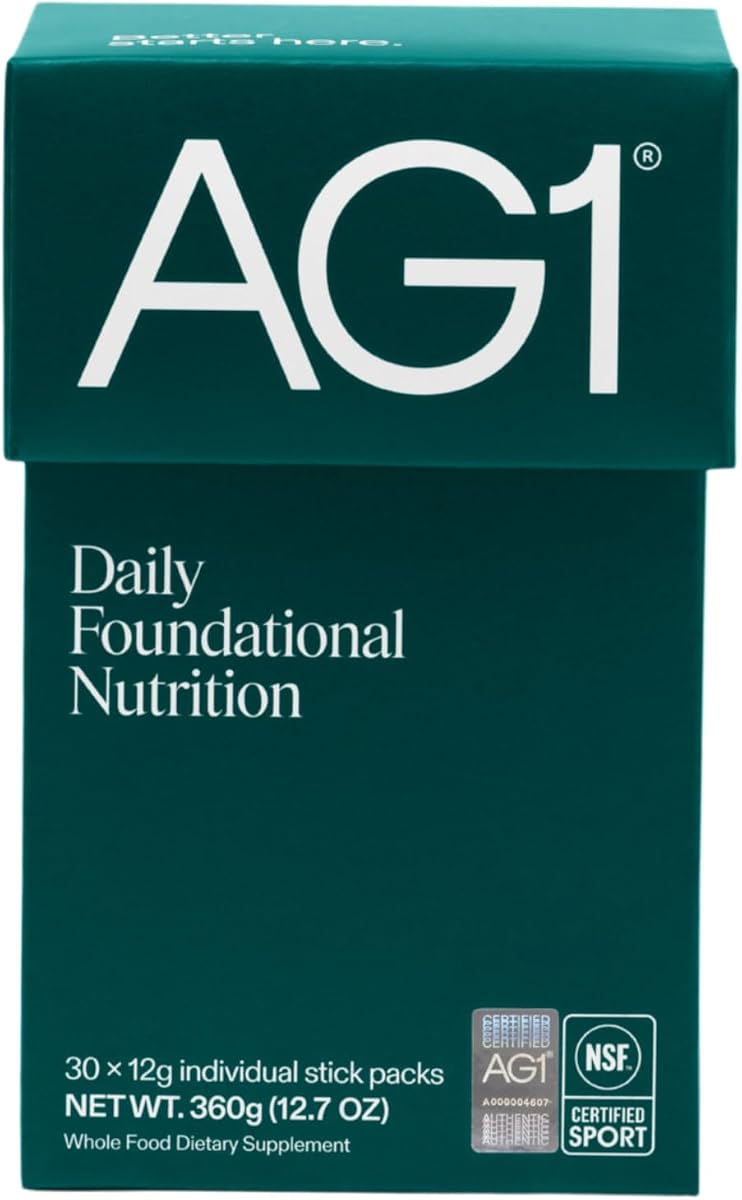
AG1 Red — premium formula (72+ ingredients), $100/mo, hits every micronutrient target. The Cadillac option.
2. Organifi Red Juice
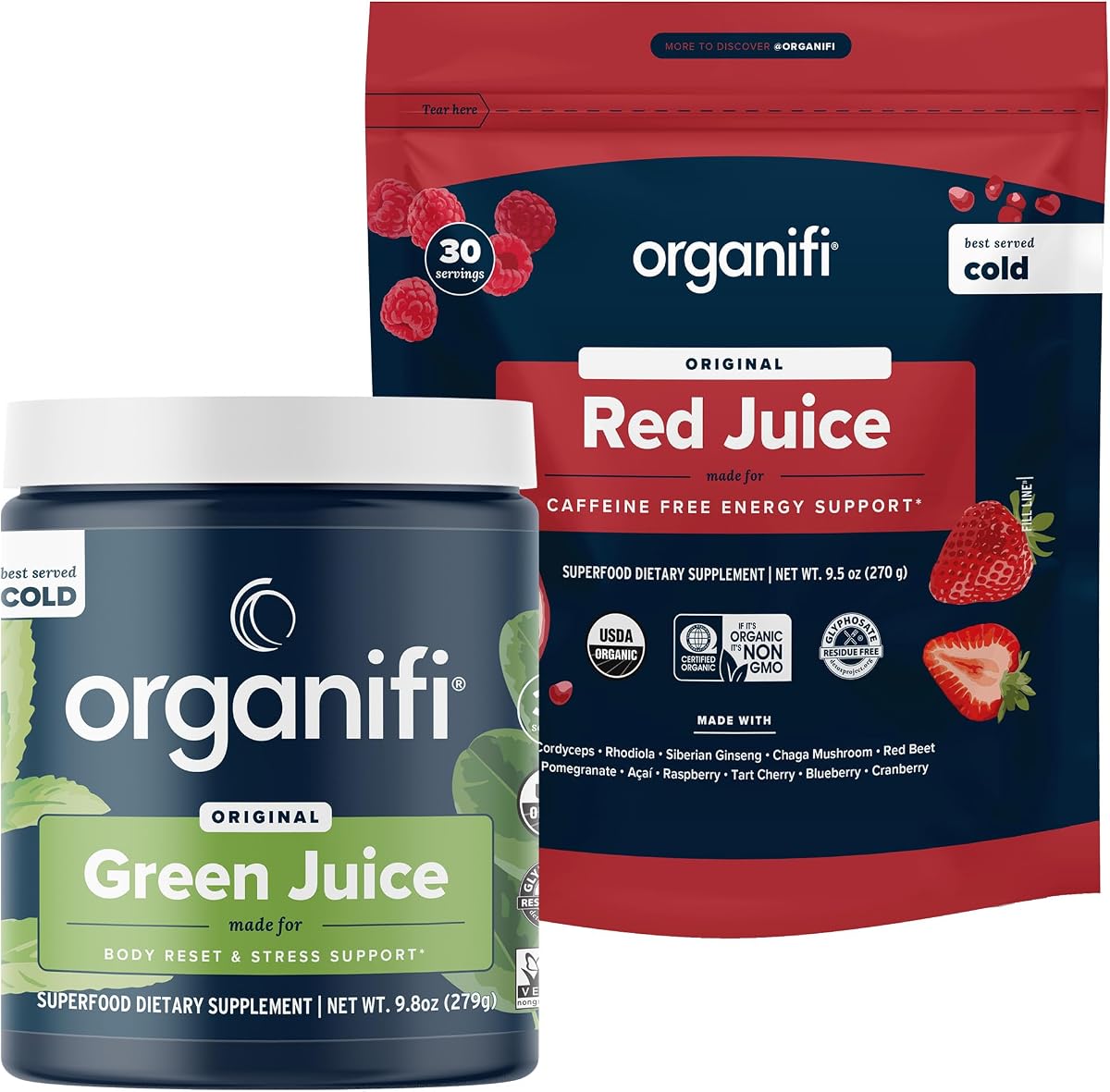
Organifi Red Juice — 11 organic red superfoods, apple/mint/beet flavor thats actually drinkable. Best taste in the category.
3. Bloom Red Superfoods
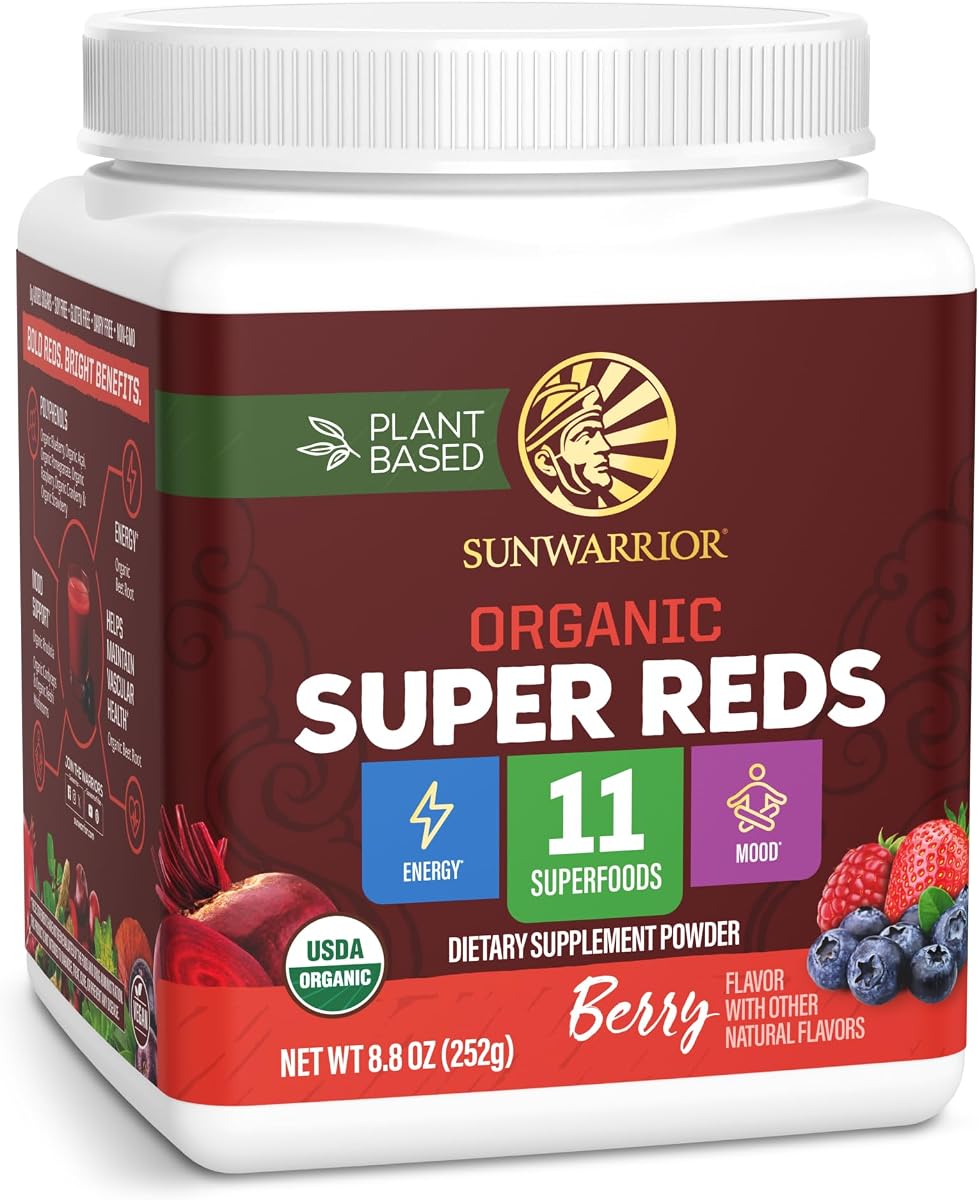
Bloom Red — TikTok-viral brand, includes reds + adaptogens + collagen. Berry-forward taste.
4. Live it Up Super Reds
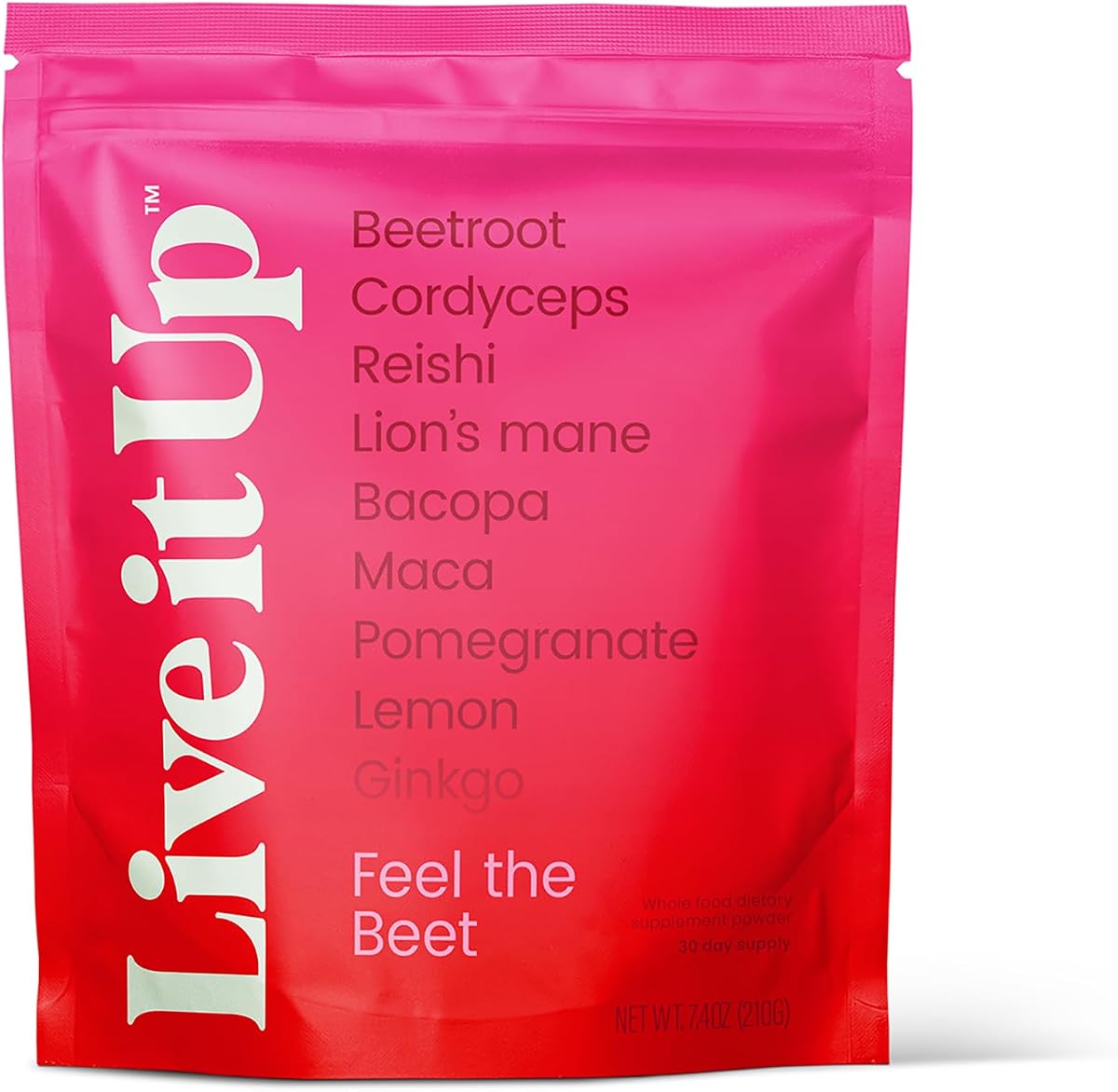
Live it Up Super Reds — polyphenol-focused with beetroot, pomegranate, tart cherry. Strong nitric-oxide push.
5. Amazing Grass Amazing Reds
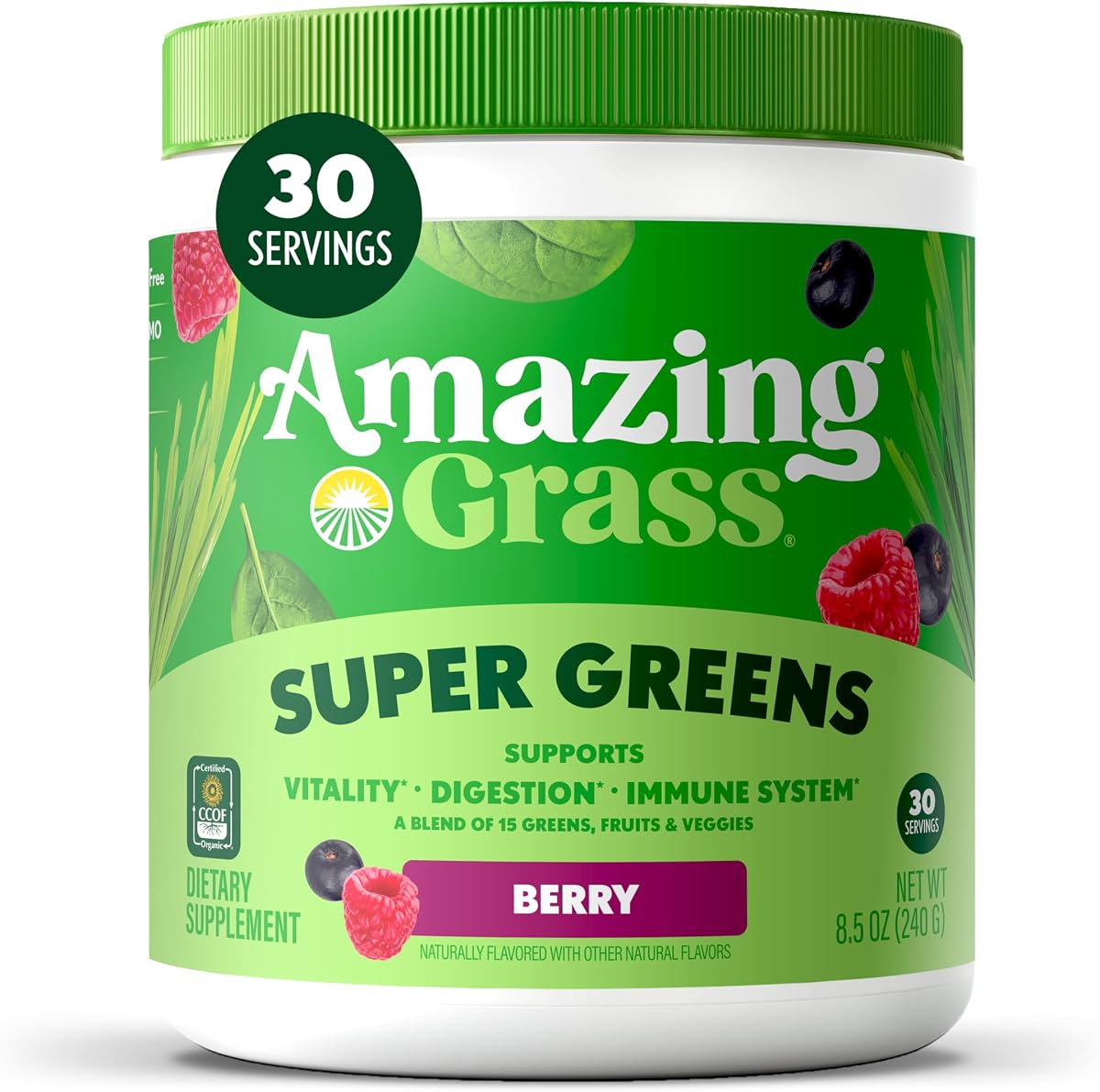
Amazing Grass — organic reds blend with adaptogens, in the same family as their popular Amazing Grass Green Superfood.
6. Country Farms Bountiful Beets
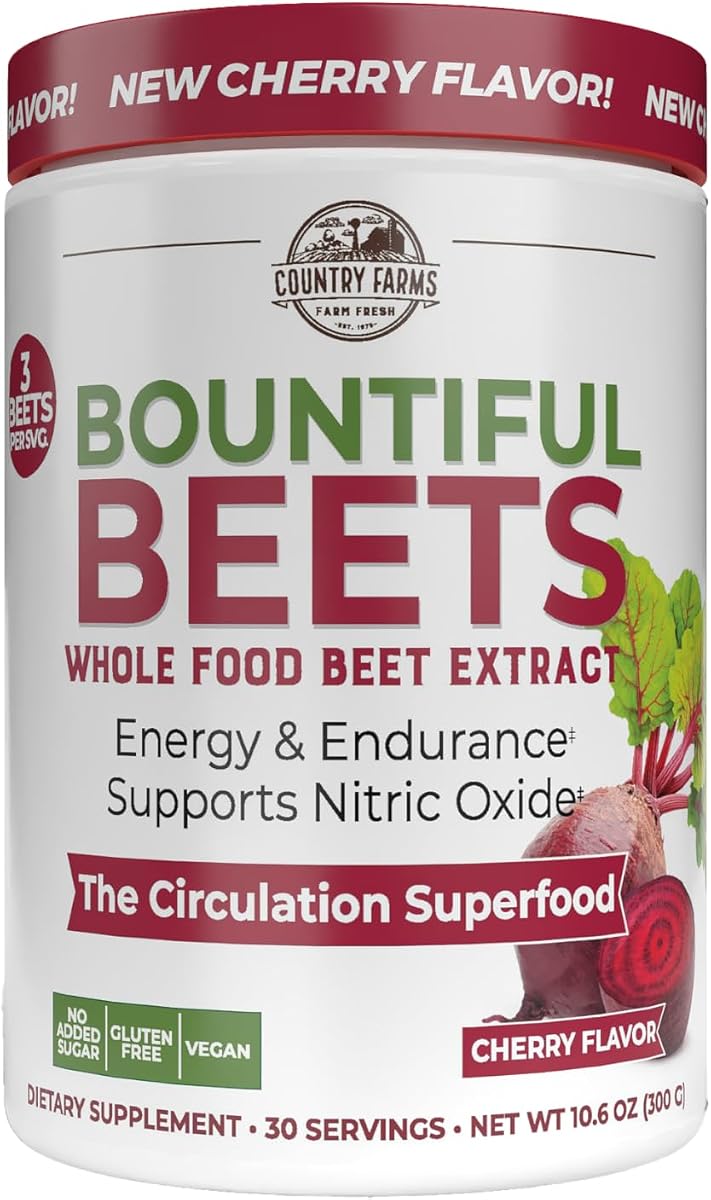
Country Farms Beets — beet-focused for pre-workout use. Boost in nitric oxide for training and blood pressure.
7. BareOrganics Red Superfood Blend
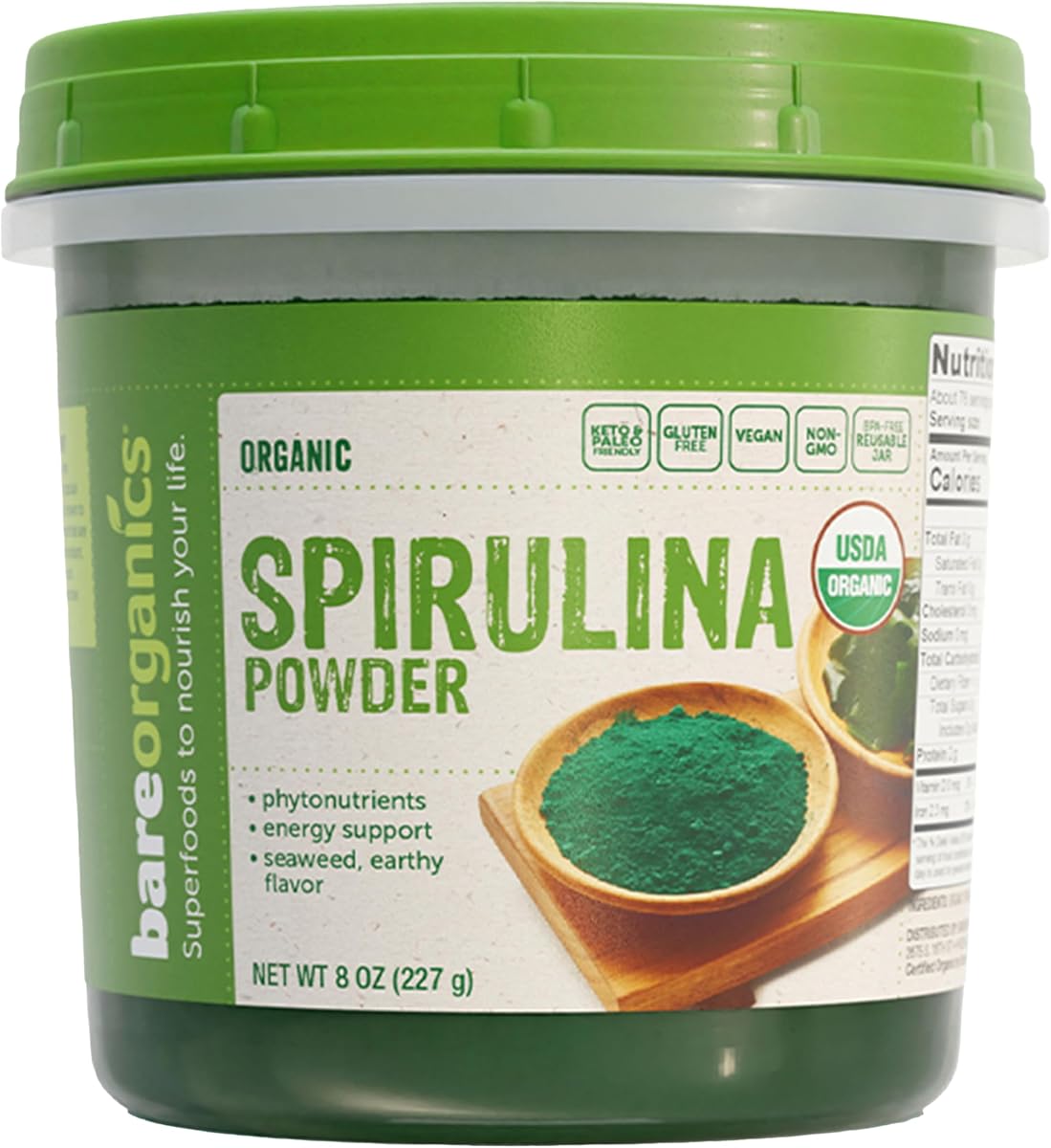
BareOrganics — USDA Organic, minimal-ingredient blend at a mid-price. Purest label of the group.
8. Zenwise Red Superfoods
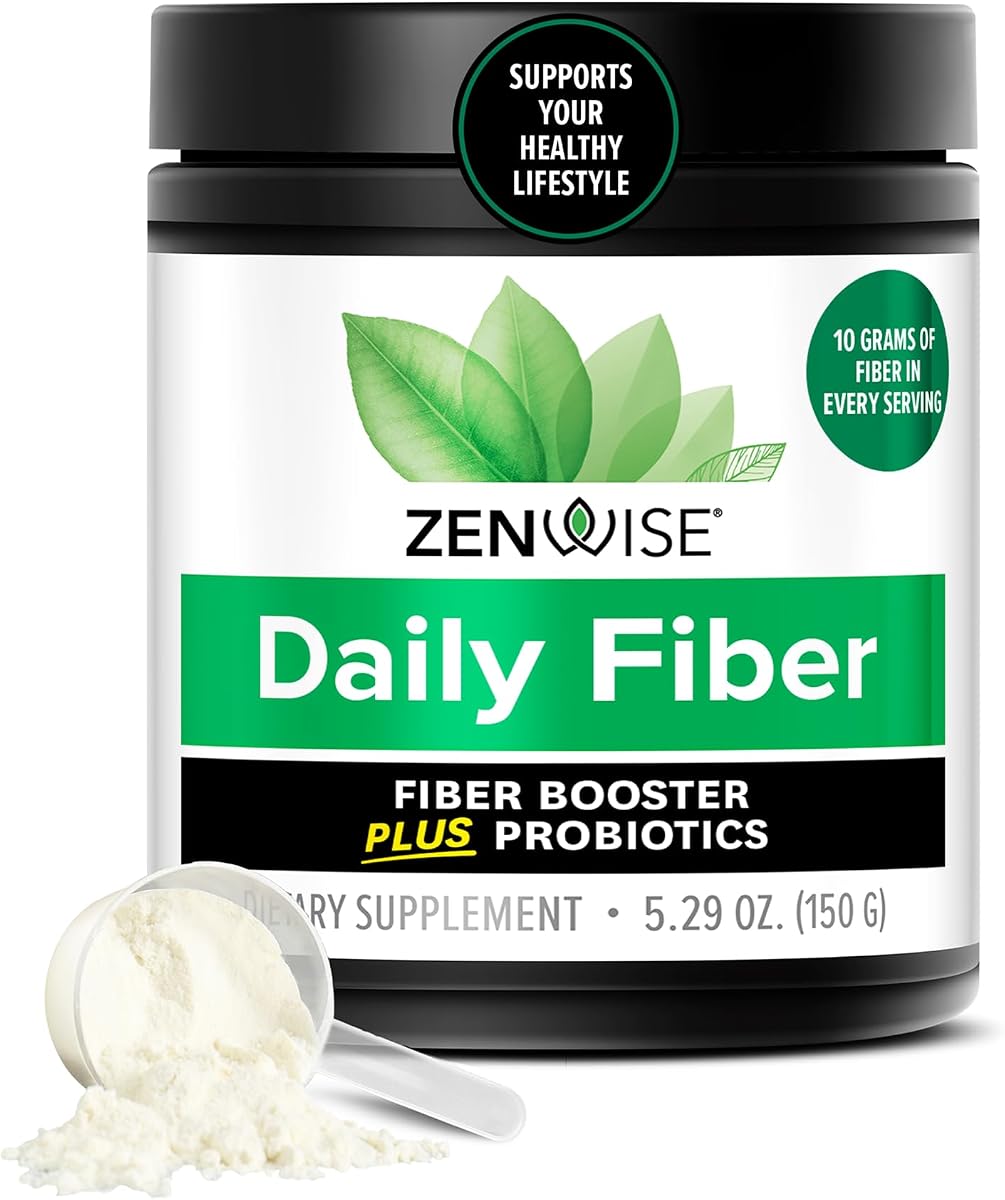
Zenwise Red — Amazon-native brand, best price-per-serving in the category with 40+ ingredients.
- Top pick: Paleovalley Essential C Complex with whole-food vitamin C from camu camu, amla, acerola
- Best value: NOW Foods Beet Root Powder — single-ingredient, $0.30/serving
- Best blend: Naked Reds — 13 fruits, no added sugar, third-party tested
- Skip: Anything with a “proprietary blend” — that’s marketing-speak for “we won’t tell you the doses”
- Reality check: A cup of berries beats most powders for half the cost
What red superfood powders actually do (and don’t)
“Red superfood” is a marketing category, not a defined nutritional one. Most products in this space are dried, powdered fruit blends — typically beets, berries, pomegranate, cherry, acai, and other anthocyanin-rich foods. Anthocyanins are the pigments that give these foods their color, and they’re genuinely useful: linked in research to better cardiovascular markers, reduced inflammation, and improved exercise recovery.
Where the marketing gets ahead of the science: claims about “detox,” “cellular health,” and “superfood-level nutrition” are mostly aspirational. The active ingredients work, but the doses in most blends are far below what was used in the studies. A scoop of red superfood powder might give you 50-200mg of polyphenols. The clinical doses tested for measurable cardiovascular benefit are usually 500-1,000mg+.
The honest framing: a quality red powder is a convenient way to add polyphenols and micronutrients to your day when you’re not eating much actual fruit. It’s not a miracle, and it’s not magic. It’s a supplement that fills a gap most modern diets have.

How to evaluate a red superfood powder
Five questions that separate the legitimate products from the overpriced filler:
1. Are the doses disclosed per ingredient? Look for the Supplement Facts panel listing each ingredient with its specific weight. “Proprietary blend: 5,000mg” is a red flag — they’re not telling you the actual amount of each component because most of those 5,000mg are likely cheap fillers.
2. Is it third-party tested? Look for NSF, USP, Informed Choice, or similar certifications. Powdered fruit products are generally low-risk for contamination, but heavy metals from soil and pesticide residue are real concerns. A good brand publishes its certificates of analysis.
3. What’s the sugar content? Some “red powders” are 30-50% added sugar by weight. A good product has <2g of total sugar per serving (and that sugar is intrinsic to the fruits, not added).
4. What’s actually in it? Real ingredients you should see: beetroot, blueberry, raspberry, pomegranate, acai, tart cherry, cranberry, strawberry, elderberry, camu camu. Red flags: maltodextrin, “natural flavors” listed early in the ingredients, sucralose or other artificial sweeteners.
5. Cost per gram of actual ingredient. Divide the price by the total weight of the active ingredients (not the tub weight, which often includes a lot of starch fillers). Compare across brands. The math is sometimes surprising.
Best red superfood powders for 2026
1. Paleovalley Essential C Complex — best for vitamin C
Single-ingredient simplicity. Three whole-food vitamin C sources (camu camu, amla berry, unripe acerola) — all genuinely high in vitamin C and polyphenols. ~450mg vitamin C per serving from food sources rather than synthetic ascorbic acid. Glucose-free, gluten-free, no fillers.
Trade-offs: It’s not cheap (~$1.20 per serving) and the flavor is tart-bordering-on-sour. Best mixed with smoothies, not water.
Buy if: You want concentrated whole-food vitamin C without filler.
2. Naked Reds — best general blend
13 ingredients, all real fruits and roots. No fillers, no added sugar, no artificial sweeteners. Includes acai, acerola, blueberry, cranberry, beet root, pomegranate, raspberry, and tart cherry. ~5g per serving of actual fruit-and-root content, fully disclosed.
Trade-offs: Tart flavor needs to be mixed with something sweet (banana, apple). Cost runs ~$1.60 per serving — premium but defensible given the ingredient quality.
Buy if: You want a comprehensive red blend without proprietary mystery ingredients.
3. NOW Foods Beet Root Powder — best value
Single-ingredient organic beet root. Roughly $0.30 per serving — about a quarter of the cost of branded “red powder” blends. Beet root is the most-studied red food for cardiovascular benefits (the nitrates convert to nitric oxide, supporting blood flow and exercise performance). NSF-certified.
Trade-offs: It’s just beets — not a multi-ingredient blend. Earthy flavor that some people don’t love. Mix into protein shakes or smoothies; mixing into plain water is rough.
Buy if: You want the most-studied red ingredient at the lowest cost.
4. Organifi Red Juice — best taste
Includes pomegranate, raspberry, beet root, cordyceps, reishi mushroom, and rhodiola. The mushroom-and-adaptogen additions are the marketing angle, though the doses are too low for measurable adaptogenic effect. Tastes like fruit punch — no doctoring needed.
Trade-offs: ~$2 per serving — expensive. Some sweetness from monk fruit and stevia. The “proprietary blend” framing makes individual ingredient doses unclear.
Buy if: You’ll only stick with a powder if it tastes good and don’t mind paying premium for that.
5. Sunwarrior Ormus Greens & Reds — best dual blend
Combines red superfoods with greens (spinach, kale, chlorella, spirulina). One scoop covers both color profiles. Honest disclosure on the label, vegan, gluten-free.
Trade-offs: The greens flavor dominates. If you wanted just reds, this isn’t it.
Buy if: You’d otherwise buy two separate powders and want to consolidate.

Brands and products to skip
Anything with “proprietary blend” labels. If the brand won’t tell you how much of each ingredient is in there, the answer is almost always “not enough of the expensive ones.”
Products with maltodextrin or sucralose listed in the first three ingredients. Maltodextrin is a starch filler that adds bulk without nutrition. Sucralose is artificial sweetener that some people respond to with GI issues.
“Detox” and “cleanse” branded reds. The detox claims are marketing fiction (your liver and kidneys do that work, not a powder). The actual ingredients are usually fine, but you’re paying for the framing.
MLM-marketed reds (Juice Plus, Plexus, etc.). The pricing reflects the multi-level marketing structure, not the ingredient quality. You can get the same nutritional content from a third-party-tested supplement at a third of the cost.
A cup of mixed frozen berries (blueberries, raspberries, blackberries) and half a beet, blended into your daily smoothie, gives you more polyphenols than most $50 powders for about $1.20 a serving. If you actually like fruit, the powder is unnecessary. If you skip fruit because of habit or convenience, a quality powder is a reasonable workaround.
What’s actually in a typical red blend
Decoding the ingredient list helps you spot the marketing from the substance. Here’s what the most common red-powder ingredients actually do:
Beet root. The dietary nitrate workhorse. Converts to nitric oxide, supports blood flow, modestly improves endurance and blood pressure. The most evidence-backed ingredient in any red blend.
Tart cherry (Montmorency). Anti-inflammatory anthocyanins. Best evidence is for reducing post-exercise muscle soreness and modestly improving sleep quality (via melatonin precursors).
Pomegranate. Polyphenol-rich, particularly punicalagins. Some research shows benefits for prostate health and arterial function. The juice has more evidence than the powder, but the powder still delivers concentrated polyphenols.
Acai. A buzzy ingredient that’s mostly anthocyanin-equivalent to blueberries at a much higher price. Not bad, just not magic. Pay for it if you like the flavor; don’t pay extra for the marketing.
Camu camu. Naturally one of the highest vitamin C foods on earth (60x more than oranges by weight). Useful if you want whole-food vitamin C; also expensive.
Cranberry. Best evidence for urinary tract health (PACs prevent E. coli from adhering to the bladder wall). Less compelling for general antioxidant claims.
Goji berry. Vitamin C, beta-carotene, zeaxanthin (eye health). Modest research base; not a heavy hitter but a reasonable inclusion.
Strawberry, raspberry, blackberry, blueberry. Standard polyphenol-rich berries. Nothing exotic but legitimate ingredients. Most blends include at least three.
How to use red superfood powder
In smoothies: The most common use. One scoop blended with banana, almond milk, protein powder, and ice. The other ingredients mask the earthy beet flavor.
In water with citrus: If you want a low-calorie option, mix one scoop into 12-16 oz of water with a squeeze of lemon or lime. Most people find this drinkable; some don’t.
In yogurt or oatmeal: Stir into Greek yogurt with honey, or sprinkle into morning oatmeal. The neutral base softens the flavor.
In post-workout protein shakes: The combination of fruit polyphenols + protein has decent recovery research behind it. One scoop in your post-workout shake adds antioxidants without much extra calorie load.
Timing and dosing
Daily use is fine. Most red powders are designed for daily consumption. Watch the total calorie load — even small servings can stack to 80-150 calories, which adds up if you’re tracking.
Pre-workout (90-120 min before): If your powder includes meaningful beet root content (5g+), the nitrates can support endurance performance. Drink it 90 minutes before training for best timing.
Post-workout: The polyphenols may modestly accelerate recovery. Anti-inflammatory effect is small but real.
Don’t take it with iron supplements. Polyphenols can reduce iron absorption. If you take iron, take it 2 hours apart from your red powder.
FAQ
Will a red powder lower my blood pressure?
Possibly modestly. Beet-heavy formulations have the best evidence — studies show 3-5 mmHg reductions in systolic blood pressure with consistent daily use. That’s meaningful but not transformative; it complements rather than replaces medication for diagnosed hypertension.
Are red powders safe for everyone?
For most healthy adults, yes. People on blood thinners (warfarin) should be cautious — beet root and some berries can interact. Anyone with kidney stones should be aware that beet root contains oxalates. Pregnant or breastfeeding people should run any new supplement past their doctor.
Why is my urine red?
Beets do this to about 10-15% of people. It’s harmless — the betalain pigments pass through your kidneys without being broken down. The condition is called “beeturia.” Don’t panic.
Is freeze-dried better than spray-dried?
Freeze-drying generally preserves more polyphenols and vitamin C than spray-drying. If a brand specifies freeze-dried fruit, that’s a quality signal. Most premium brands do; budget brands typically don’t.
How long does an open tub last?
Once opened, polyphenol potency degrades over 60-90 days even when stored properly. Buy a size you’ll actually finish in 3 months. The big “value” tubs sometimes lose half their potency before you finish them.
Should I cycle off?
Not necessary for safety. The fruits and roots in red powders are foods, not active medications. You don’t need to cycle off blueberries either. Consistent use is fine.
Are these powders good for kids?
Generally fine for kids over 4 or 5, but unnecessary if they’re eating actual fruit. The volume of fruit a child should eat (1-1.5 cups daily) easily covers what a powder would provide. If a kid genuinely refuses fruit, blending half a scoop into a smoothie is a reasonable workaround. Avoid products with caffeine, mushroom blends, or “adaptogens” — those are for adults.
Will I still need to eat fruit?
Yes. Powders concentrate polyphenols but lose much of the fiber and most of the volume that makes fruit filling. The American Heart Association recommends 1.5-2 cups of fruit daily — a powder doesn’t replace that for satiety, fiber, or food enjoyment. Think of red powder as a complement, not a replacement.
How does this differ from greens powders?
Greens powders (Athletic Greens, Amazing Grass) lean on chlorophyll-rich greens, sea vegetables, and grasses — different polyphenol profile, more vitamin K, more chlorophyll-related compounds. Reds focus on anthocyanins from berries and roots. Many people use both: greens in the morning, reds pre- or post-workout. Whether the combination is meaningfully better than just eating vegetables and fruit is debatable.
Can I make my own?
Yes — a $50 dehydrator and bulk-bin bags of organic blueberries, raspberries, and beets gets you a year’s supply for about a third of the branded cost. Dehydrate at 110-120°F to preserve heat-sensitive vitamins, then grind in a coffee grinder. The downside: it’s a project. The upside: you control what’s in it.
More supplement reviews and what’s-actually-worth-it advice in our nutrition library.