
The Eco-Atkins diet is what happens when somebody asks “what if Atkins, but vegan?” The original Atkins is built around bacon, cheese, and steak. The Eco-Atkins version uses tofu, nuts, seeds, and beans to hit the same low-carb, high-protein-and-fat macros without the saturated fat or animal products. The interesting part: the limited research available suggests it actually works for cardiovascular markers in ways the original Atkins doesn’t. Here’s how the diet works, what to eat, and the trade-offs to know before you start.
- Macros: ~26% protein, 43% fat (mostly plant-based), 31% carbs — significantly lower-carb than typical vegan
- Built around: tofu, tempeh, seitan, nuts, seeds, avocados, olive oil, low-carb vegetables
- Skips: grains, sugars, most fruits, beans (limited), starchy vegetables
- Best evidence: One 6-month Canadian RCT showed similar weight loss to dairy/meat low-carb plus better LDL outcomes
- Hardest part: hitting protein targets without animal products takes meal planning
What is the Eco-Atkins diet?
The diet was developed in the early 2000s by Dr. David Jenkins (the same researcher who created the glycemic index) and his team at the University of Toronto. They were looking for a diet that captured Atkins-style metabolic benefits — sustained satiety, weight loss, blood sugar stability — without the saturated fat that comes from a meat-and-dairy-heavy approach.
Their solution was a plant-based low-carb plan using vegetable proteins (soy, gluten-based meats, nuts) instead of animal proteins. The core macro split is roughly 26% protein, 43% fat, 31% carbs — much lower carb than a standard vegan diet (which typically runs 60%+ carbs) but considerably higher carb than ketogenic Atkins (which targets under 10%).
The “eco” prefix is doing two jobs: signaling the environmental benefit of plant proteins over animal proteins, and distinguishing this from the standard Atkins. Some people call it “vegan Atkins” or “low-carb plant-based” — same thing.
What the research actually shows
The most-cited study is a 2014 randomized controlled trial published in BMJ Open. Jenkins’s team ran 39 overweight adults through a 6-month Eco-Atkins protocol and compared them to a high-carbohydrate vegetarian control group. Results:
- Weight loss: Eco-Atkins group lost an average of 6.9 kg vs. 5.8 kg for the high-carb vegetarian group — modest but consistent advantage
- LDL cholesterol: Dropped 7% on Eco-Atkins, comparable to what cholesterol medications achieve
- HDL ratio: Improved (better)
- Triglycerides: Dropped meaningfully on Eco-Atkins, stayed flat on the control diet
- Blood pressure: Slight reduction on both
A separate 2009 study from the same team found a similar 4-week protocol reduced LDL by 28%, comparable to a moderate dose of statins. These are real, meaningful numbers — but the studies were small and sponsored by groups with plant-based interests, so the literature is suggestive rather than definitive.
Compared to the original Atkins, where the high saturated fat from animal products tends to raise LDL even when total cholesterol falls, the Eco-Atkins approach seems to be doing the cardiovascular work that Atkins promised but doesn’t always deliver.
What you eat on Eco-Atkins
Protein sources (the foundation)
- Tofu and tempeh (8-15g protein per serving)
- Seitan (wheat gluten — 21g protein per serving but not gluten-free)
- Lupini beans (high-protein, low-carb legume — 11g protein per cup)
- Plant-based meat alternatives (Beyond, Impossible — check labels for added oils/fillers)
- Veggie burgers and patties (the high-protein variety, not the grain-based ones)
- Soy-based dairy alternatives (unsweetened soy yogurt, soy milk)
- Hemp seeds (10g protein per 3 tbsp)
- Pumpkin seeds (9g protein per 1/4 cup)
Healthy fats
- Avocados (the foundation of many meals)
- Nuts: walnuts, almonds, pecans, macadamia nuts
- Nut butters (peanut, almond, cashew — unsweetened)
- Olive oil, avocado oil, walnut oil
- Olives
- Tahini (sesame seed paste)
- Coconut (limited — high in saturated fat)
Low-carb vegetables (mostly unlimited)
- Leafy greens (spinach, kale, arugula, lettuce)
- Cruciferous vegetables (broccoli, cauliflower, Brussels sprouts, cabbage)
- Zucchini, summer squash, cucumber
- Bell peppers, asparagus, green beans
- Mushrooms, tomatoes (technically a fruit, treated as veg)
Limit or avoid
- Grains (bread, rice, pasta, oats — even whole grain)
- Beans and lentils (limited servings — they’re starchier than the protein/fat ratio suggests)
- Starchy vegetables (potatoes, sweet potatoes, corn, peas)
- Most fruits (small servings of berries are usually OK)
- Sugars and sweeteners
- Processed snacks and ultra-processed foods

A sample Eco-Atkins day
Breakfast: Tofu scramble with spinach, mushrooms, nutritional yeast, and avocado on the side. Coffee with unsweetened soy milk. (~28g protein, 22g fat, 12g carbs)
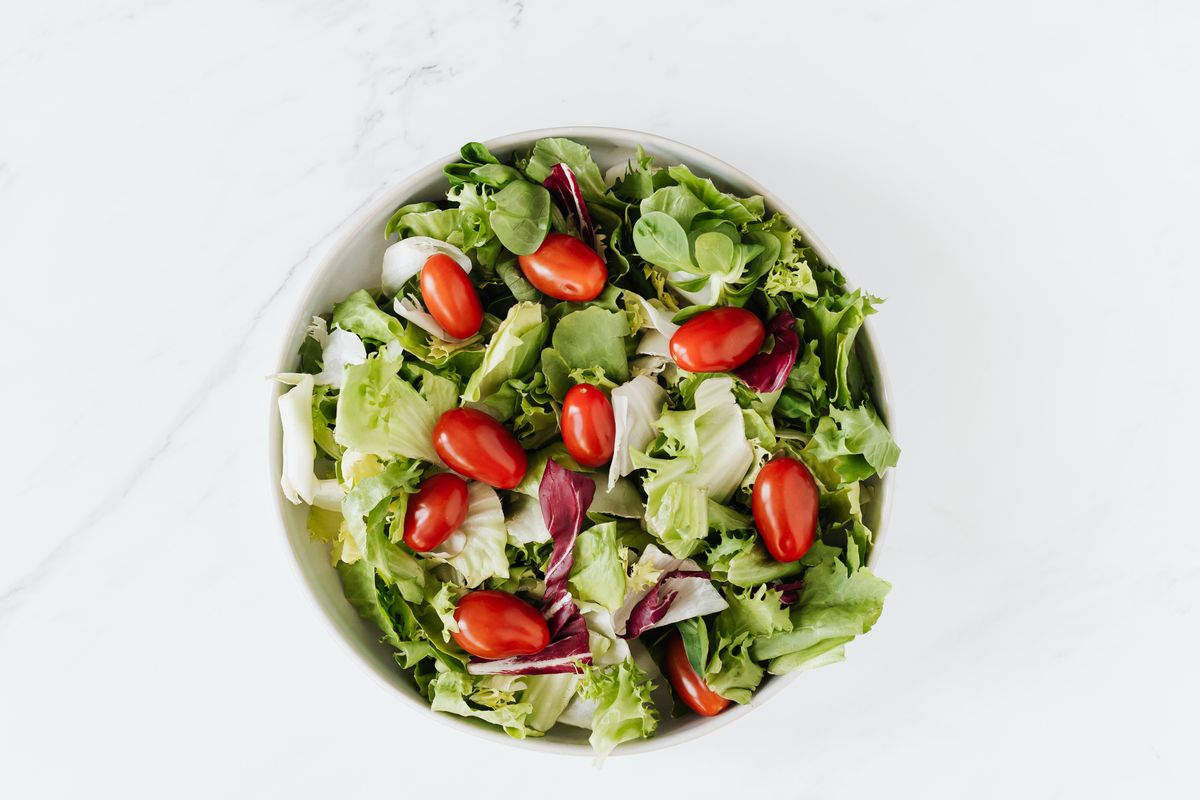
Lunch: Big salad with mixed greens, roasted Brussels sprouts, hemp seeds, walnuts, cherry tomatoes, marinated tempeh, and a tahini-lemon dressing. (~32g protein, 38g fat, 18g carbs)
Snack: Two tablespoons of almond butter on celery sticks, plus a handful of pumpkin seeds. (~12g protein, 18g fat, 6g carbs)
Dinner: Cauliflower rice stir-fry with seitan strips, broccoli, bell peppers, ginger, garlic, and sesame oil. Topped with toasted almonds. (~38g protein, 24g fat, 22g carbs)
Optional dessert: A few squares of 85% dark chocolate with raw almonds. (~4g protein, 12g fat, 8g carbs)
Day total: ~114g protein, 114g fat, 66g carbs (1,650 calories). Adjust portions for your calorie target.
Most people who try Eco-Atkins fail not because the diet is too restrictive but because they undershoot protein. Plant proteins are less calorie-dense per gram, so hitting 100g+ protein from plants requires more food and more planning than hitting it from meat. Track your protein for the first two weeks — it’s the make-or-break number.
Pros of Eco-Atkins
Better cholesterol outcomes than original Atkins. The plant-based fat profile (mostly mono- and polyunsaturated, very little saturated) is genuinely cardio-protective in a way that meat-and-dairy Atkins isn’t.
Lower environmental footprint than animal-protein-heavy diets. If sustainability is on your radar, the diet is a meaningful improvement.
High in fiber. Most low-carb diets struggle with fiber. The vegetable-and-nut-heavy pattern of Eco-Atkins typically delivers 35-45g of fiber daily — well above average and beneficial for gut health and blood sugar.
Sustained satiety from the fat-and-fiber combo. Most followers report needing fewer snacks than on a typical vegan or vegetarian diet.
No calorie counting required in the original protocol — though weight loss is faster if you do.
Cons and challenges
Hitting protein takes work. A standard meal needs to hit 25-35g of plant protein, which usually means combining two or three sources (tofu + nuts + seeds, or tempeh + hemp + nutritional yeast). Skipping a planned protein source on a busy day can leave you well short of daily targets.
Restaurant eating is hard. Most restaurants don’t have a plant-protein-forward low-carb option. You’ll often end up ordering “just vegetables” with side modifications.
Heavy soy reliance. Tofu, tempeh, soy milk, and soy yogurt do a lot of the protein work. People with soy sensitivities or who want to limit phytoestrogens find this a meaningful constraint.
Vitamin B12 supplementation is non-negotiable. Plant foods don’t contain bioavailable B12. A weekly methylcobalamin supplement (1,000-2,500mcg) is required.
The “what about omega-3?” question. Without fish, you’ll need either an algae-based DHA/EPA supplement or to lean heavily on flax, chia, and walnuts. ALA (the plant form) converts to DHA/EPA inefficiently — most nutritionists recommend the algae supplement.
Iron and zinc absorption. Plant iron (non-heme) absorbs less efficiently than animal iron. Pair iron-rich foods with vitamin C (squeeze lemon over your spinach) and watch for low-energy signs in the first month.
Is Eco-Atkins right for you?
Good fit if: You’re vegan or vegetarian and want better blood lipids than a high-carb plant diet typically delivers. You have moderately elevated LDL and want to try diet before medication. You want sustained satiety and don’t mind a structured eating pattern. You enjoy cooking — meal-prep is more or less required.
Probably not the right fit if: You eat out frequently and don’t want to constantly modify orders. You have a soy allergy or sensitivity. You’re an endurance athlete who needs higher carbs for performance. You have a history of disordered eating — any restrictive eating pattern can be a trigger and should be discussed with a clinician first.
Talk to your doctor first if: You’re taking medications for diabetes (insulin needs may change rapidly), blood pressure (likely to drop), or cholesterol (the diet may interact with statins). You’re pregnant or breastfeeding. You have kidney issues — the higher protein load may need monitoring.
FAQ
How is Eco-Atkins different from regular vegan?
A typical vegan diet runs 60-70% carbs (lots of grains, legumes, fruit) and 10-15% protein. Eco-Atkins flips that to roughly 30% carbs and 25% protein — closer to a plant-based ketogenic approach. The main difference you’ll notice: way less rice, pasta, oats, and fruit; way more tofu, nuts, and oils.
Is this the same as plant-based keto?
Close but not identical. Plant-based keto pushes carbs under 50g/day (often under 20g for ketosis). Eco-Atkins typically lands at 60-90g/day — low-carb but not strict ketogenic. Most people don’t enter ketosis on Eco-Atkins, and the diet doesn’t depend on it for weight loss.
Can I do this if I’m gluten-intolerant?
Yes, but it gets harder. Seitan (wheat gluten) is one of the highest-protein plant foods, and you’ll have to skip it. Lean more heavily on tofu, tempeh, lupini beans, hemp seeds, and pea-protein-based meat alternatives. Always check labels — some “veggie” products use vital wheat gluten as a filler.
How fast will I lose weight?
In the Jenkins study, participants lost about 1 kg per month over 6 months — modest but consistent. Faster results are possible if you tighten calorie intake; slower results are common if you let the nut-and-oil calories drift up (very easy to do).
Do I have to count calories?
Not strictly. The original protocol is structured around food rules rather than calorie targets. Most people who lose meaningful weight still end up tracking — even casually — because nuts and oils can stack calories quickly without filling you up.
Will I feel “flu-like” symptoms in the first week?
Possibly. The “low-carb flu” — fatigue, headaches, brain fog — can hit when carbs drop quickly. Less severe than on full keto since you’re still eating 60-90g of carbs daily. Drink extra water and salt your food generously for the first week.
Common mistakes to avoid
Replacing meat with cheese. A common transition mistake is going vegan but heavily relying on cheese as the protein source. That defeats the cardiovascular benefit of the diet. If you’re going Eco-Atkins, you’re going plant-based — keep dairy minimal or skip it entirely.
Underestimating nut calories. A handful of nuts is 200-300 calories. Three handfuls a day adds 600-900 calories without filling you up. Measure your nut servings for the first month — almost everyone is shocked by how easy it is to overshoot.
Skipping vegetables for “more efficient” plant proteins. Tofu and tempeh are great, but if your plate is just blocks of seitan and a handful of nuts, you’re missing the fiber, polyphenols, and micronutrients that make the diet work. Vegetables should still be the visual majority of your plate.
Going too low-carb too fast. The original Jenkins protocol isn’t ketogenic — it’s moderate-low carb. Dropping under 50g carbs daily on a plant-based diet is hard and unnecessary. Stay in the 60-100g range for steady results.
Ignoring micronutrient gaps. The food rules of Eco-Atkins skip a lot of normally-recommended foods (whole grains, legumes, fruit). Without supplementation, B12, iron, omega-3, and vitamin D can run low over time. A basic plant-based multivitamin is a reasonable insurance policy.
Getting started
If you want to try this, the cleanest on-ramp is to start with two weeks of strict adherence to see if it works for you, then settle into a sustainable rhythm. The pantry list above is the shopping checklist; one tip from people who’ve stuck with it: cook a giant batch of tofu, tempeh, and seasoned vegetables on Sunday. Without the meal prep, the daily protein math gets exhausting fast.
If you’re coming from a standard vegan diet, expect a one-week adjustment period as your body shifts away from carb-based fuel. If you’re coming from regular Atkins, the change is smaller — you’re swapping animal proteins for plant proteins, but the macro structure is similar.
Get baseline blood work before you start (lipids, CBC, B12, iron, vitamin D) and recheck at 8 weeks. The point isn’t paranoia — it’s data. The studies suggest favorable changes, but everyone’s different, and your numbers will tell you whether this approach is working for you.
More diet reviews, macro guides, and what-to-eat plans in our nutrition library.