
Cooking for two is either really easy or really annoying — most recipes are scaled for four to six, which leaves you doing math while hungry and inevitably with leftovers you don’t want. This guide is 30+ healthy dinner recipes actually portioned for two people: 500-700 calories per plate, 30-40g protein, ready in 20-40 minutes, and easy on the ingredient list. Organized by cooking method (sheet pan, skillet, slow cooker, no-cook), protein type (chicken, salmon, beef, plant-based), and time constraint (15-minute, 30-minute, 45-minute).
Quick Hit
The perfect healthy dinner for two: 10-12 oz protein (5-6 oz per person) + 1 cup cooked grain (1/2 cup each) + 3-4 cups roasted vegetables + fat source (olive oil, avocado, seeds). Hits 500-700 calories per person with 30-40g protein. Top go-to recipes: sheet-pan salmon with vegetables, grilled chicken bowls with quinoa, skillet chicken piccata, turkey and vegetable stir-fry. Skip the recipes that require exotic ingredients or 8+ steps — dinner for two should be doable in one pan on a Tuesday.
What makes a healthy dinner for two

Right-sized portions
For two people at maintenance calories: 10-12 oz total protein, 1 cup cooked grain, 3-4 cups vegetables. For weight loss: 10 oz protein, 1/2 cup grain, 4-5 cups vegetables. Portion appropriately for the meal — don’t cook family-size and try to eat half.
Balanced macros
Aim for 30-40g protein, 15-25g fat, and moderate carbs (30-60g) per person. This produces satiety and appropriate calorie intake for most adults.
Fresh vegetables in every meal
Half your plate should be vegetables. Not just salad — roasted, sautéed, steamed. Vegetables add fiber, micronutrients, and volume without significant calories.
Realistic time investment
Weeknight dinners should hit the table in under 40 minutes total (prep + cook). Save the 90-minute recipes for weekends.
Minimal cleanup
One-pan, one-pot, sheet-pan, or slow-cooker recipes reduce dish load. If you’re not doing dishes, you’re more likely to actually cook.
Sheet pan dinners for two
1. Sheet pan salmon and asparagus
2 salmon fillets (5 oz each) + 1 bunch asparagus + olive oil, salt, pepper, garlic, lemon. Roast at 425°F for 12-15 minutes. 400 cal per person, 35g protein.
2. Sheet pan chicken and roasted vegetables
2 chicken breasts (6 oz each) + broccoli, bell peppers, red onion + olive oil, herbs. Roast at 425°F for 22 minutes. 450 cal, 45g protein per person. See our chicken breast recipes.
3. Sheet pan sausage and vegetables
4 chicken sausages + potatoes + Brussels sprouts + onion + olive oil. Roast 400°F for 30 min. 550 cal, 35g protein.
4. Sheet pan shrimp fajitas
1 lb shrimp + bell peppers + onions + fajita seasoning. Roast 425°F for 12 min. Serve with 2 tortillas per person. 500 cal, 40g protein.
5. Sheet pan lemon garlic chicken and zucchini
2 chicken thighs + 2 zucchini + garlic + lemon + olive oil. Roast 425°F for 25 min. 420 cal, 35g protein.
Skillet dinners for two
6. Chicken piccata
2 pounded chicken breasts + capers + white wine + lemon + butter. 25 minutes. 400 cal, 45g protein.
7. Ground turkey and vegetable stir-fry
1 lb ground turkey + 3 cups mixed vegetables + soy sauce, ginger, garlic + rice on the side. 500 cal, 35g protein per person. See our ground turkey recipes.
8. Chicken alfredo (lightened)
2 chicken breasts + 4 oz whole grain pasta + Greek yogurt-based alfredo + broccoli. 550 cal, 45g protein.
9. Shrimp scampi over zucchini noodles
1 lb shrimp + zucchini spiralized + garlic + white wine + butter + lemon. 15 min. 380 cal, 40g protein.
10. Skillet ground beef and rice bowls
10 oz lean ground beef + 1 cup rice + salsa + Greek yogurt + avocado + lettuce. 550 cal, 40g protein.
11. Chicken and vegetable curry
2 chicken breasts diced + 1 can light coconut milk + curry paste + 3 cups vegetables + basmati rice. 550 cal, 40g protein.
12. Cast iron steak with roasted vegetables
2 sirloin steaks (6 oz) + roasted potatoes + arugula salad. 550 cal, 50g protein.
Slow cooker dinners for two
13. Slow cooker salsa chicken
1 lb chicken breasts + 1 jar salsa + 1 tsp cumin. Low 4-6 hours. Shred. Serve on rice with avocado. 450 cal, 45g protein.
14. Slow cooker beef stew
1 lb stew beef + carrots + potatoes + onion + beef broth + tomato paste. Low 6 hours. 500 cal, 40g protein.
15. Slow cooker chicken tortilla soup
1 lb chicken + 6 cups broth + black beans + corn + salsa + spices. Low 4 hours. Shred chicken. 400 cal, 35g protein.
20-minute dinners for two
16. Grilled chicken salad
2 grilled chicken breasts sliced + spring mix + cherry tomatoes + avocado + feta + balsamic vinaigrette. 450 cal, 45g protein.
17. Tuna niçoise-inspired plate
2 seared ahi tuna steaks + baby potatoes + green beans + hard-boiled egg + olives + Dijon vinaigrette. 500 cal, 45g protein.
18. Cottage cheese and salmon bowls
1 cup cottage cheese + 4 oz smoked salmon + everything bagel seasoning + cucumber + avocado. 450 cal, 45g protein.
19. Rotisserie chicken bowls
6 oz rotisserie chicken + microwave rice + steam bag broccoli + salsa. 15 min. 550 cal, 50g protein.
20. Egg white and vegetable scramble with turkey bacon
6 egg whites + vegetables + 4 slices turkey bacon + whole grain toast. Breakfast for dinner. 400 cal, 35g protein.
Plant-based dinners for two
21. Buddha bowls with tempeh
10 oz tempeh + 1 cup quinoa + roasted sweet potato + kale + tahini dressing. 600 cal, 30g protein.
22. Chickpea curry
2 cans chickpeas + coconut milk + curry paste + spinach + basmati rice. 550 cal, 20g protein.
23. Vegetable pad thai with tofu
10 oz extra-firm tofu + rice noodles + peanut sauce + bean sprouts + peppers + peanuts. 600 cal, 25g protein.
24. Black bean burgers with roasted vegetables
2 homemade or store-bought black bean burgers + roasted vegetables + whole grain bun + avocado. 500 cal, 25g protein.
Salmon and seafood dinners
25. Miso-glazed salmon with bok choy
2 salmon fillets glazed with miso-honey-soy + steamed bok choy + brown rice. 500 cal, 40g protein. See our salmon recipes.
26. Pan-seared cod with lemon butter
2 cod fillets + lemon butter sauce + asparagus + jasmine rice. 450 cal, 40g protein.
27. Shrimp tacos
1 lb shrimp + cabbage slaw + avocado crema + corn tortillas. 500 cal, 40g protein.
Weekend “nice dinner” recipes
28. Herb-crusted rack of lamb
1 rack of lamb + roasted baby potatoes + garlic-herb green beans. Special occasion. 650 cal, 40g protein.
29. Filet mignon with mushroom sauce
2 filet mignons + mushroom-cream sauce + roasted potatoes + sautéed spinach. 650 cal, 50g protein.
30. Homemade pizza night
Whole wheat pizza dough + tomato sauce + chicken, veggies, moderate cheese. 550 cal per person for 4 slices each.
Meal planning for two
Sunday shopping strategy
Buy for 4 weeknight dinners: 2 lbs chicken, 2 salmon fillets, 1 lb ground turkey, 4 cups of vegetables (broccoli, bell peppers, zucchini, spinach), 2 cups grains (rice, quinoa), pantry staples.
Prep components, not full meals
Roast a batch of chicken and a batch of vegetables. Cook a pot of rice. Mix and match through the week rather than cooking 4 separate full recipes.
Freezer stash for busy nights
Keep 2 pre-made meals in the freezer: chili, curry, soup. Weeks where cooking falls apart, those save the day.
Rotate proteins across the week
Chicken twice, fish once, red meat once, plant-based once. Prevents boredom and ensures nutrient variety.
Common dinner-for-two mistakes
1. Cooking family-size recipes
Scaling down a recipe designed for 6 usually means math errors, extra prep waste, and awkward leftovers. Use recipes actually designed for two, or split the family recipe into two meals and freeze half.
2. Under-portioning vegetables
1 cup of broccoli per person isn’t a serving — it’s a garnish. Aim for 2 cups per person to actually hit fiber and volume targets.
3. Under-portioning protein
4 oz of chicken per person leaves both people hungry an hour later. 5-6 oz is the minimum for a satisfying dinner.
4. Skipping the sear
Well-seared proteins add dramatic flavor. Take an extra 2 minutes to properly sear chicken, salmon, or steak — the difference is huge.
5. Choosing recipes with 20+ ingredients
Weeknight dinners should have under 10 ingredients. Save the elaborate recipes for weekends.
RELATED ON EATFITFUEL
Shopping and scaling for a two-person household
Why cooking for two is harder than cooking for four
Grocery packaging is built around families. Chicken comes in 3-pound packs, produce in bunches sized for a week of six, and most recipes assume four to six servings. Cooking for two means either constant leftovers, constant waste, or constant math. The solution is buying deliberately rather than scaling recipes down.
Buy protein by weight, not by package
Ask the butcher counter for exactly 12 ounces of chicken breast rather than taking the 3-pound family pack. Most stores will do this without comment and it costs marginally more per pound. Alternatively, buy the family pack and portion it into freezer bags the day you get home — 10 minutes of work that eliminates the entire problem.
The produce waste problem
A head of celery, a bunch of cilantro, and a bag of spinach are all sized for larger households. Two people will not finish them before they turn. Frozen vegetables solve most of this — nutritionally equivalent to fresh, portioned as needed, no spoilage clock. Keep frozen broccoli, green beans, peas, and spinach on hand as the default and buy fresh only for what you will use within three days.
A two-person weekly shopping list
Proteins: 1.5 lbs chicken breast, 2 salmon fillets, 1 lb ground turkey, 1 dozen eggs, 16-oz Greek yogurt. Produce: 1 bag spinach, 2 bell peppers, 1 zucchini, 1 onion, 1 head garlic, 2 lemons, 1 avocado. Frozen: broccoli, green beans. Pantry: rice, quinoa, olive oil, canned tomatoes, canned beans. Roughly $55-70 and covers seven to eight dinners.
Halving a recipe without ruining it
Most things halve cleanly. Three exceptions: baking (leavening ratios do not scale linearly), pan size (halving a recipe in the original pan means it cooks faster and can burn), and aromatics (halving garlic and spices often produces a flat dish — keep those closer to full quantity).
Equipment that earns its space
A 10-inch skillet
The single most useful pan for two people. Large enough for two chicken breasts or two salmon fillets with room to actually sear, small enough that the fond does not burn in the empty space. A 12-inch pan cooking two portions leaves too much exposed surface and scorches.
A quarter sheet pan
Half the size of a standard baking sheet, fits two portions of protein plus vegetables without crowding. Crowding is the reason home-roasted vegetables steam instead of caramelize — food needs space around it for moisture to escape.
A 3-quart saucepan
Right size for two servings of grains, a small batch of sauce, or blanching vegetables. A large stockpot for two servings of rice wastes energy and produces uneven cooking.
A digital thermometer
Twelve to twenty dollars and it eliminates the most common failure mode in home cooking: overcooked protein. Chicken pulled at 162°F is juicy; chicken pulled at 180°F is not. You cannot tell the difference by looking.
A kitchen scale
Makes portioning trivial and makes macro tracking accurate. Also the only reliable way to hit “12 ounces of protein” consistently.
Fifteen more dinners for two
31. Garlic butter steak bites with broccoli
12 oz sirloin cut into cubes, seared hard in a hot skillet, finished with butter and garlic. Steamed broccoli alongside. 480 calories, 45g protein per person, 20 minutes.
32. Lemon herb baked cod
Two cod fillets, olive oil, lemon, thyme, roasted at 400°F for 12 minutes over sliced potatoes. 420 calories, 38g protein.
33. Chicken fajita skillet
12 oz sliced chicken, peppers, onions, fajita seasoning, one pan. Serve with two tortillas each or over cauliflower rice. 480 calories, 42g protein.
34. Turkey meatballs with zucchini noodles
1 lb ground turkey formed into meatballs, baked, served over spiralized zucchini with marinara. 420 calories, 40g protein.
35. Sheet pan gnocchi with sausage
Shelf-stable gnocchi, chicken sausage, cherry tomatoes, and zucchini roasted together at 425°F for 25 minutes. 550 calories, 32g protein.
36. Egg roll in a bowl
1 lb ground pork or turkey browned with a bag of coleslaw mix, ginger, garlic, soy sauce, sesame oil. 380 calories, 35g protein, 15 minutes, one pan.
37. Greek chicken bowls
Oregano-lemon chicken over rice with cucumber, tomato, red onion, feta, tzatziki. 550 calories, 45g protein.
38. Blackened salmon tacos
Two salmon fillets rubbed with blackening spice, seared, flaked into corn tortillas with cabbage slaw and lime crema. 480 calories, 38g protein.
39. White bean and sausage skillet
Chicken sausage, cannellini beans, kale, garlic, chicken broth. Simmer 15 minutes. 450 calories, 32g protein, 12g fiber.
40. Chicken and broccoli stir-fry
12 oz chicken, broccoli, garlic-ginger-soy sauce, over rice. The default weeknight stir-fry. 520 calories, 45g protein.
41. Stuffed bell peppers
Two large peppers halved, filled with ground turkey, rice, tomato, and cheese, baked 30 minutes. 480 calories, 38g protein.
42. Shrimp and grits (lightened)
8 oz shrimp over stone-ground grits made with milk instead of cream, with scallions and a small amount of cheese. 520 calories, 40g protein.
43. Chicken piccata over spinach
Pounded chicken breasts, lemon-caper pan sauce, served over wilted spinach instead of pasta. 400 calories, 45g protein, 8g carbs.
44. Pork tenderloin with roasted apples
12 oz pork tenderloin roasted with apple wedges and red onion, rosemary. 450 calories, 42g protein.
45. Black bean and sweet potato bowls
Roasted sweet potato, black beans, avocado, lime crema, over rice. Vegetarian. 550 calories, 18g protein, 14g fiber.
Making dinner for two sustainable
The two-week rotation
Most households cycle through the same eight to ten dinners regardless of how many recipes they know. Rather than fighting that, build a deliberate rotation: four chicken preparations, two fish, two beef or pork, two vegetarian. Rotate the sauces and sides and the same proteins never feel repetitive.
Theme nights remove decisions
Taco Tuesday is a cliché because it works. Assigning a loose theme to each night — pasta Monday, tacos Tuesday, sheet pan Wednesday, stir-fry Thursday, fish Friday — reduces the nightly question from “what should we make” to “which version.”
Cook once, eat twice, deliberately
Cooking 18 ounces of chicken instead of 12 produces tomorrow’s lunch with no additional effort. This is different from accidental leftovers — it is planned overproduction, which people actually eat.
The 20-minute floor
Have three dinners you can make in under 20 minutes from pantry and freezer staples. Eggs and toast, canned tuna pasta, frozen shrimp stir-fry. These are what stand between a hard day and takeout.
Splitting the work
In a two-person household, one person shopping and one cooking, or one cooking and one cleaning, makes the whole system more durable than either person doing all of it. The most common reason home cooking collapses is not lack of recipes but uneven load.
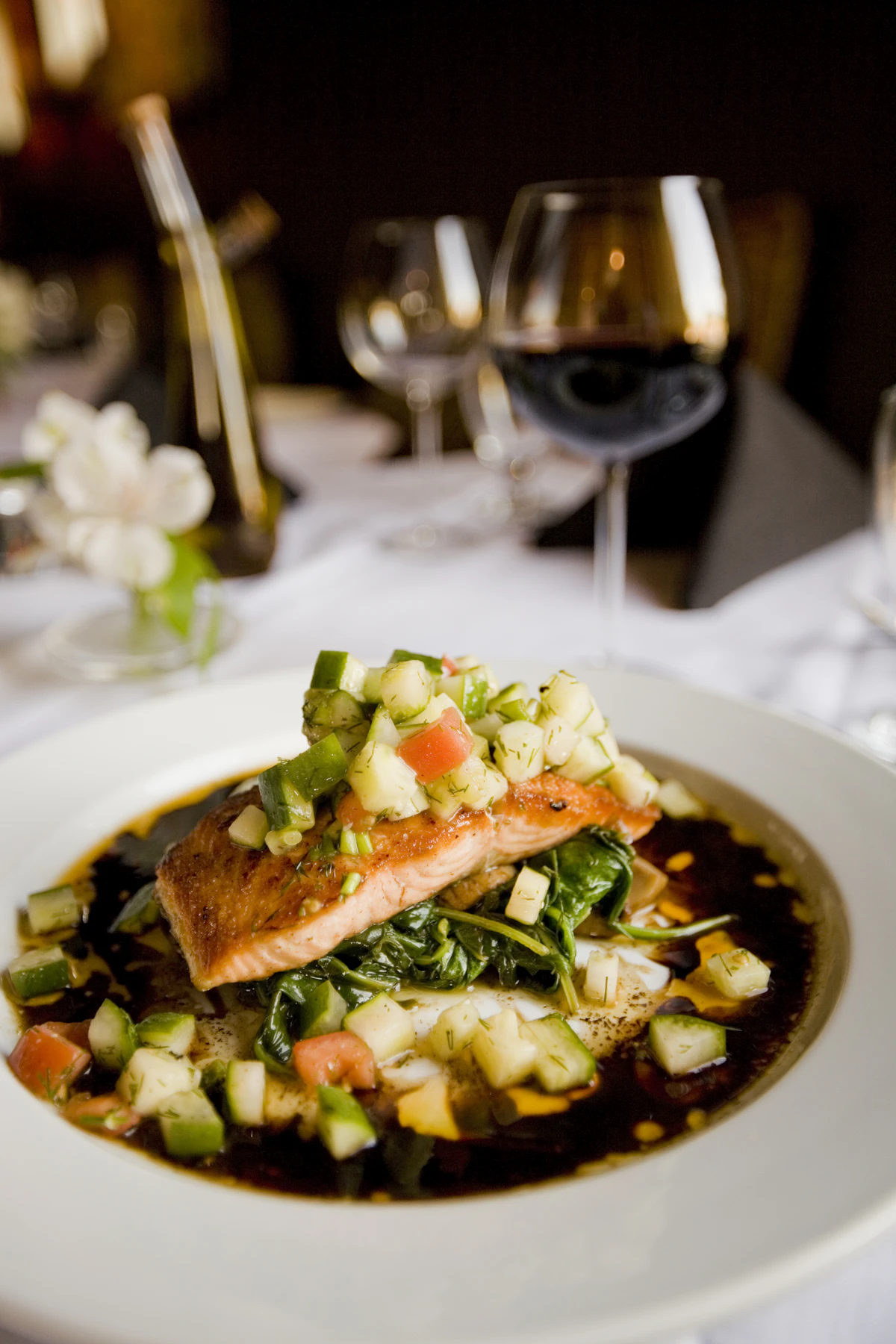
Shopping and prep for two people
Buy in the right quantities
Cooking for two is where food waste happens. Produce is sold in family-sized bunches, meat in family packs, and herbs in quantities designed for a restaurant. Buy protein in bulk and freeze in two-portion packs the day you get home — this is the single highest-leverage habit for a two-person kitchen.
Herbs are the biggest waste category
A bunch of cilantro for two servings leaves most of the bunch to rot. Either build two meals in the same week around the same herb, freeze the remainder in oil in an ice cube tray, or buy the frozen versions for anything that will be cooked rather than used raw.
The freezer is your portion control
Half-used cans of tomato paste, chipotles in adobo, coconut milk, and stock all freeze well in tablespoon portions. This turns “I need two tablespoons and the can has twelve” from a waste problem into a convenience.
Plan for the deliberate leftover
Cooking three portions instead of two costs almost no extra time and gives one person lunch the next day. Recipes that reheat well — braises, chilis, grain bowls, roasted vegetables — are worth deliberately overcooking. Recipes that do not — seared fish, delicate salads, anything fried — should be cooked to exactly two portions.
The 20-minute weeknight shortlist
Keep four or five recipes you can make without looking anything up: a stir-fry, a pasta, a sheet-pan protein and vegetable, an omelette or frittata, and a grain bowl. Two people cooking on a Tuesday do not need creativity, they need a decision already made.
Splitting the work
Two-person meals are the only ones where a second set of hands is genuinely available. One person on protein, one on vegetables and starch, cuts the actual time roughly in half — and turns cooking from a chore one person absorbs into something shared.
Scaling any recipe down to two
Protein and vegetables scale linearly
Halve them without thinking. Six ounces of chicken per person is a reasonable default; adjust up for larger appetites or heavier training.
Aromatics do not scale down cleanly
Half an onion, one clove of garlic, and a quarter teaspoon of spice often produces a flat result. Keep aromatics closer to two-thirds of the original quantity rather than half — flavor compounds do not dilute proportionally with volume.
Liquid needs the most attention
A halved braise in a full-size pot evaporates much faster and can scorch. Use a smaller pot, or reduce cooking time and check earlier. This is the most common way a halved recipe fails.
Baking is the exception
Baked goods do not halve reliably — leavening, pan size, and bake time all interact. Either make the full batch and freeze half, or use a recipe written for a small yield.
Cook times shrink less than you expect
Halving the quantity does not halve the time. A smaller roast still needs to reach the same internal temperature. Use a thermometer rather than the clock.
Making it feel like an occasion without extra work
Cooking for two is the one scale at which a weeknight dinner can plausibly feel like something rather than just fuel. The cheapest ways to get there are not extra ingredients but small finishing touches: a squeeze of lemon over the finished plate, fresh herbs added off the heat, a flaky finishing salt, or simply plating the food rather than eating from the pan. None of these add more than a minute, and all of them change how a meal registers. If cooking together is part of the point, protecting that experience matters as much as the nutrition numbers do.
Healthy Dinner Recipes for Two FAQ
What’s the easiest healthy dinner for two?
Sheet pan chicken and vegetables. 2 chicken breasts + vegetables + olive oil + herbs, one pan, 25 minutes total. 450 cal, 45g protein per person.
How many calories should dinner be for two?
500-700 calories per person for maintenance. 400-500 for weight loss. Adjust based on your daily calorie target.
How much protein per dinner for two?
30-40g per person for adults. This means 10-12 oz of total protein for the meal (5-6 oz each).
What are the healthiest proteins for dinner?
Grilled chicken breast, wild salmon, lean ground turkey, cottage cheese, shrimp, and tempeh are top picks. Rotate for variety.
Can I meal prep dinner recipes for two?
Yes. Cook Sunday for 4 dinners. Grill or roast proteins in bulk, batch-cook grains, roast vegetables in bulk. Assemble into dinners as needed.
What are good healthy weeknight dinners?
Sheet pan salmon with vegetables (20 min), rotisserie chicken bowls (10 min), skillet ground turkey stir-fry (15 min), and cast iron chicken with side vegetables (25 min).
How do I cook for two without leftovers?
Buy protein by exact weight (10-12 oz). Use small pans (10-inch skillet, small sheet pan). Choose recipes actually written for two portions.
Is chicken breast every night boring?
Yes if you don’t vary preparation. Rotate marinades (lemon-garlic, teriyaki, chipotle-lime, honey mustard) and cooking methods (grilled, baked, pan-seared, slow-cooked).
What’s a good vegetarian dinner for two?
Buddha bowls with tempeh (30g protein), chickpea curry, vegetable stir-fry with tofu, and black bean burgers all deliver satisfying meat-free dinners.
Can I make date-night dinners healthy?
Yes. Steak with roasted vegetables, cast iron salmon with couscous, grilled shrimp scampi, and homemade pizza can all be date-worthy and healthy.
What ingredients should I always keep on hand?
Rotisserie chicken (weekly), eggs, canned tuna/salmon, olive oil, garlic, onions, lemons, mixed frozen vegetables, brown rice or quinoa, hot sauce.
Are pasta dinners healthy for two?
Yes with modifications. Use protein pasta (Barilla Protein+ or Banza), add a serious protein topping (5-6 oz chicken, sausage, shrimp), and include vegetables. See our protein pasta guide.
Related reading
For more meal ideas: easy dinner recipes, chicken breast recipes, salmon recipes, healthy lunch ideas, high-protein meals, 7-day meal prep plan.