
A high protein breakfast is the single highest-leverage habit change in most people’s diets. 30 grams of protein at breakfast kills 11 AM cravings, preserves muscle during fat loss, and sets up a calmer eating pattern for the rest of the day. The catch: the typical American breakfast (cereal, toast, bagel, fruit smoothie) is almost entirely carbs with 5-10g of protein. Here are 15 high protein breakfasts that hit 30g+, what counts as “high protein,” and how to actually make this work on weekday mornings when you have 8 minutes.
- Aim for 30g of protein at breakfast — research-backed target for satiety and muscle maintenance
- Workhorse foods: eggs (6g each), Greek yogurt (17g/cup), cottage cheese (14g/half-cup), protein powder (24g/scoop)
- Fastest high-protein breakfast: Greek yogurt + protein powder + berries = 35g protein in 90 seconds
- Common mistakes: Carb-heavy “smoothies,” tiny egg portions, calling 10g protein “high”
- Make-ahead winners: Egg muffins, overnight oats with protein, breakfast burritos
What “high protein breakfast” actually means
The research on protein distribution converges on a consistent target: 30 grams of protein per meal maximizes the muscle protein synthesis response. Less than that and the response is sub-optimal; more than that and the body wastes the excess. Three meals per day at 30g each puts you at 90g daily — appropriate for sedentary adults. Active adults aiming for muscle gain go higher (1g per pound bodyweight).
The problem: most “high protein” breakfasts in popular media hit 12-18g, which is barely above average. A real high-protein breakfast clears 25g minimum and ideally lands at 30-40g.
Reference points (what counts as high protein):
- 2 eggs + toast: 14g — not high protein
- 1 cup Greek yogurt + berries: 17g — borderline
- Bagel with cream cheese: 12g — not high protein
- 3 eggs + 2 oz cheese + spinach: 28g — high protein
- Cottage cheese + protein powder + berries: 35g — high protein
- Egg-white omelet + chicken + vegetables: 40g — very high protein
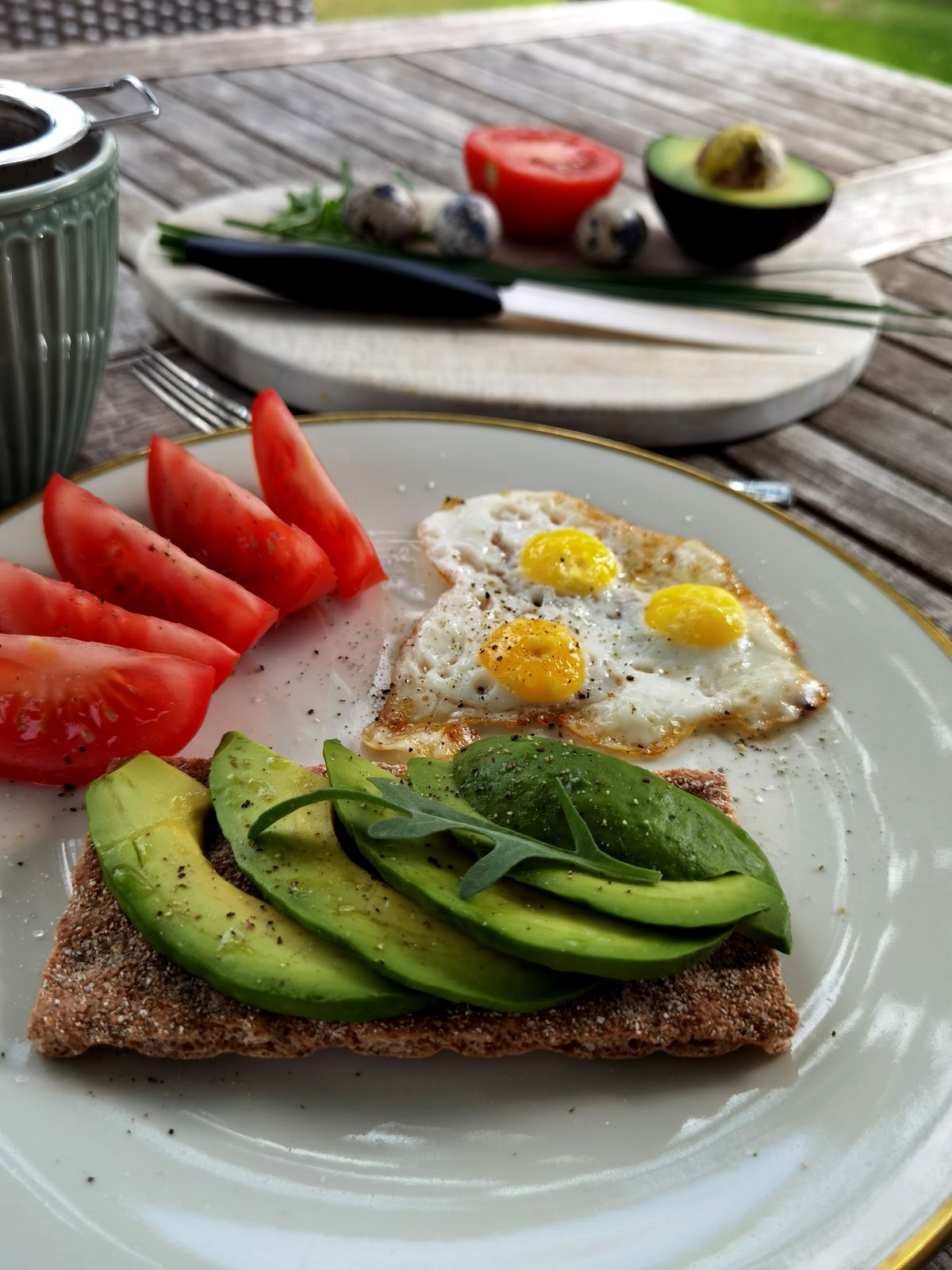
5 high protein breakfasts under 5 minutes
1. Triple-protein yogurt bowl — 38g protein, 350 cal
1 cup nonfat Greek yogurt (17g) + 1 scoop whey protein (24g) + ½ cup berries + 1 tbsp chia seeds + sprinkle of granola. Stir vigorously to dissolve the protein powder. 90 seconds to assemble. The protein density per calorie is unmatched.
2. Big scrambled eggs with cheese and ham — 32g protein, 400 cal
4 eggs (24g) scrambled with 1 oz cheddar (7g) and 1 oz diced ham (5g) + ½ cup sautéed mushrooms. Old-school big breakfast with the protein dialed up. 5 minutes total.
3. Protein-loaded smoothie — 42g protein, 380 cal
1 cup unsweetened almond milk + 1.5 scoops whey protein (36g) + ½ frozen banana + 1 cup spinach + 1 tbsp peanut butter + ice. The 1.5 scoops is the key — 1 scoop puts you at 28g, which is just shy. 60 seconds in the blender. Protein bar comparison here if you’d rather chew.
4. Cottage cheese power bowl — 35g protein, 320 cal
1 cup full-fat cottage cheese (28g) + ½ cup pineapple chunks + 2 tbsp chopped walnuts (4g) + drizzle of honey. The cottage cheese alone hits 28g, which is closer to “very high” than “high.” Pineapple’s enzymes pair beautifully with the casein.
5. Loaded toast: cottage cheese + eggs — 30g protein, 320 cal
1 slice whole grain toast + ¼ cup cottage cheese (7g) + 2 over-easy eggs on top (12g) + 1 oz feta (4g) crumbled + everything bagel seasoning. Tastes like a brunch dish, hits the macro target. Add a small piece of smoked salmon to push it to 38g.
5 high protein breakfasts for the weekend (more elaborate)
6. Steak and eggs — 50g protein, 480 cal
4 oz lean sirloin (35g) + 2 eggs (12g) + 1 cup sautéed mushrooms + ½ cup spinach. The protein heavyweight champion. Best on a day when you’re hitting the gym.
7. Smoked salmon eggs benedict (lightened) — 35g protein, 420 cal
1 whole-grain English muffin + 2 poached eggs (12g) + 3 oz smoked salmon (15g) + 1 tbsp Greek yogurt hollandaise (3g) + capers and dill. Skip the butter-heavy traditional hollandaise; the yogurt version delivers tang without 300 extra calories.
8. Protein pancakes with Greek yogurt — 36g protein, 380 cal
Blend 1 scoop protein powder, ¼ cup oats, 2 eggs, 1 small banana. Cook like pancakes. Top with ½ cup Greek yogurt and ½ cup berries. Tastes like dessert; macros are athlete-grade.
9. Turkey chorizo and eggs — 38g protein, 420 cal
4 oz turkey chorizo (28g) crumbled and browned + 2 eggs scrambled in + 1 small whole-grain tortilla + salsa. The leaner alternative to traditional chorizo without losing the flavor.
10. Tofu scramble breakfast burrito (vegan) — 32g protein, 420 cal
6 oz crumbled extra-firm tofu (24g) scrambled with nutritional yeast, turmeric, peppers, and onions. Wrap in a whole-grain tortilla with 2 tbsp salsa and a few slices of avocado. The 8g of protein from the tortilla and nutritional yeast pushes total to 32g.
2 eggs deliver 12g of protein. Most “egg breakfast” recipes call for 2 eggs. That’s NOT a high-protein breakfast — that’s a standard breakfast. To get 30g from eggs alone, you need 5 eggs, which most people don’t want. The right move is pairing eggs with another protein source: cheese, cottage cheese, smoked salmon, Greek yogurt on the side, or ham.
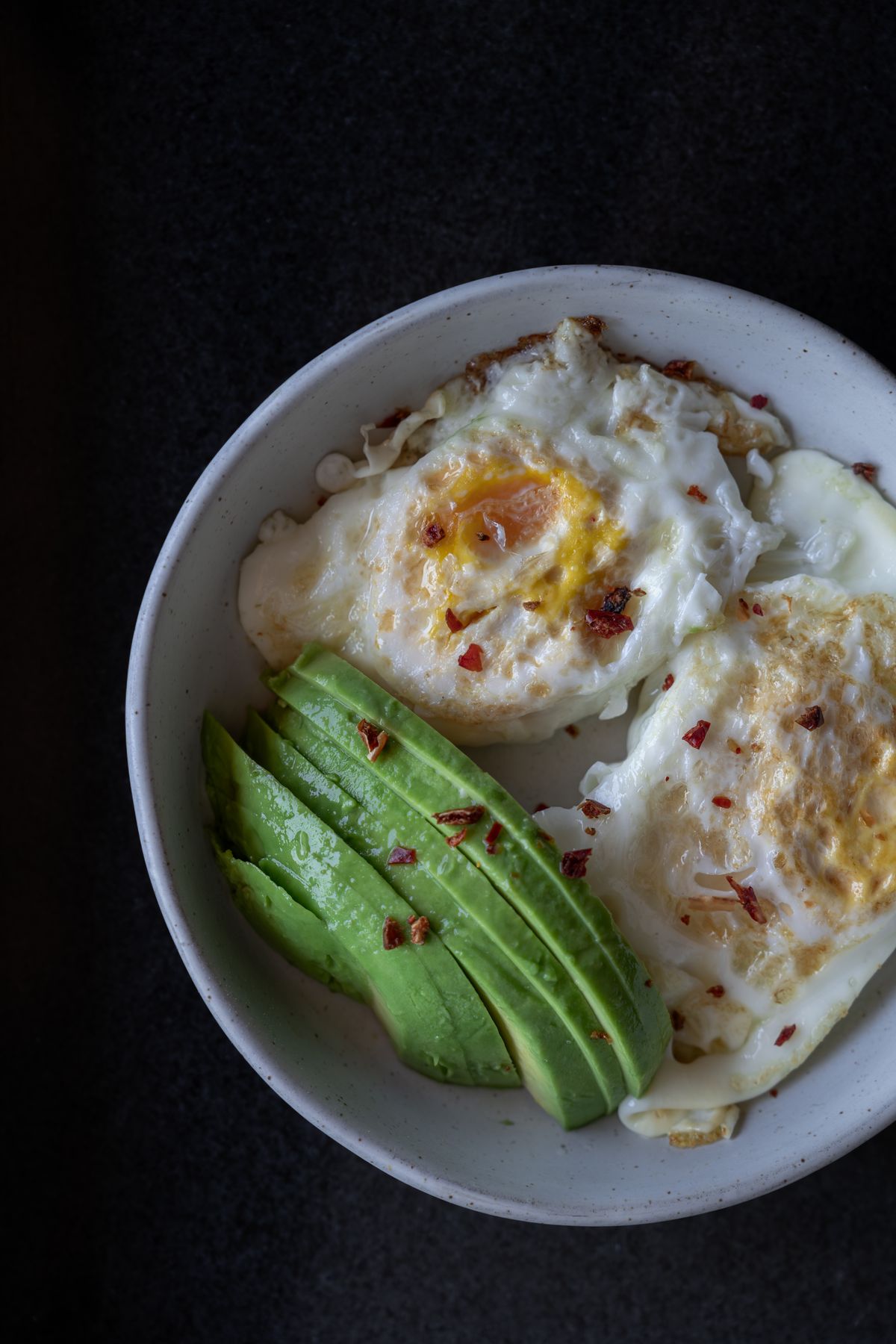
5 make-ahead high protein breakfasts
11. Egg muffins (4-muffin serving) — 30g protein, 280 cal
Whisk 12 eggs with chopped vegetables and ½ cup feta. Pour into 12 muffin tins, bake at 350°F for 22 minutes. Each muffin ≈ 7g protein. Eat 4 with a piece of fruit. Keeps 5 days refrigerated; freezes 2 months.
12. Protein overnight oats — 32g protein, 380 cal
½ cup rolled oats + 1 cup unsweetened almond milk + 1 scoop protein powder + 1 tbsp peanut butter + 1 tbsp chia seeds + ½ cup berries + cinnamon. Stir and refrigerate. Ready in the morning. More variations here.
13. Breakfast burritos (freezer-friendly) — 30g protein, 400 cal
Whole-grain tortilla + 3 scrambled eggs + 2 oz turkey sausage + ¼ cup black beans + 2 tbsp salsa + 1 oz cheese. Wrap tightly in foil, freeze in a batch of 8-10. Microwave 2 minutes from frozen. Best meal prep ROI for high-protein breakfasts.
14. Chia protein pudding — 30g protein, 320 cal
3 tbsp chia seeds (8g) + 1 cup unsweetened almond milk + 1.5 scoops vanilla protein powder (36g — overdose to compensate for the chia binding) + ½ tsp vanilla. Refrigerate overnight. Top with ½ cup berries. Dense, pudding-like texture; satisfies in a way most breakfasts don’t.
15. Hard-boiled eggs + cottage cheese tub — 30g protein, 300 cal
3 hard-boiled eggs (18g) + ½ cup 2% cottage cheese (14g) sprinkled with everything bagel seasoning + 1 piece of fruit. Zero-cooking-required breakfast that lives in a meal prep container ready to grab. Boil 8 eggs Sunday; you’re set Mon-Wed.
Common high-protein breakfast mistakes
Mistake #1: Calling 12g “high protein.” Pinterest and Instagram are full of “high protein breakfasts” that contain a single scrambled egg and a piece of toast. That’s a standard breakfast. High protein means 25g minimum.
Mistake #2: Smoothies without enough protein powder. A “protein smoothie” with banana, almond milk, peanut butter, and a half scoop of protein lands at 18g protein. The protein scoop is the variable that matters most — most decent whey scoops are 22-26g of protein. Use a full scoop, ideally 1.5 in a true high-protein smoothie.
Mistake #3: Treating Greek yogurt as the entire breakfast. A cup of Greek yogurt is 17g — solid but short of 30g on its own. Add a scoop of protein powder, ¼ cup cottage cheese, or 2 hard-boiled eggs on the side to clear the bar.
Mistake #4: Egg-white-only breakfasts. Egg whites are pure protein (3.6g per white) but they don’t have the satiety value of whole eggs because the fat in the yolk slows digestion. A 3-egg-white scramble is 11g protein and you’ll be hungry in 2 hours. Use whole eggs or pair whites with another protein source.
Mistake #5: Skipping protein for “clean” calories. Smoothie bowls with fruit and granola, oatmeal with banana and almond butter, avocado toast — all decent foods, but most clock 8-15g of protein and 400+ calories. You’re undereating protein while overeating calories. More on lower-calorie options here.
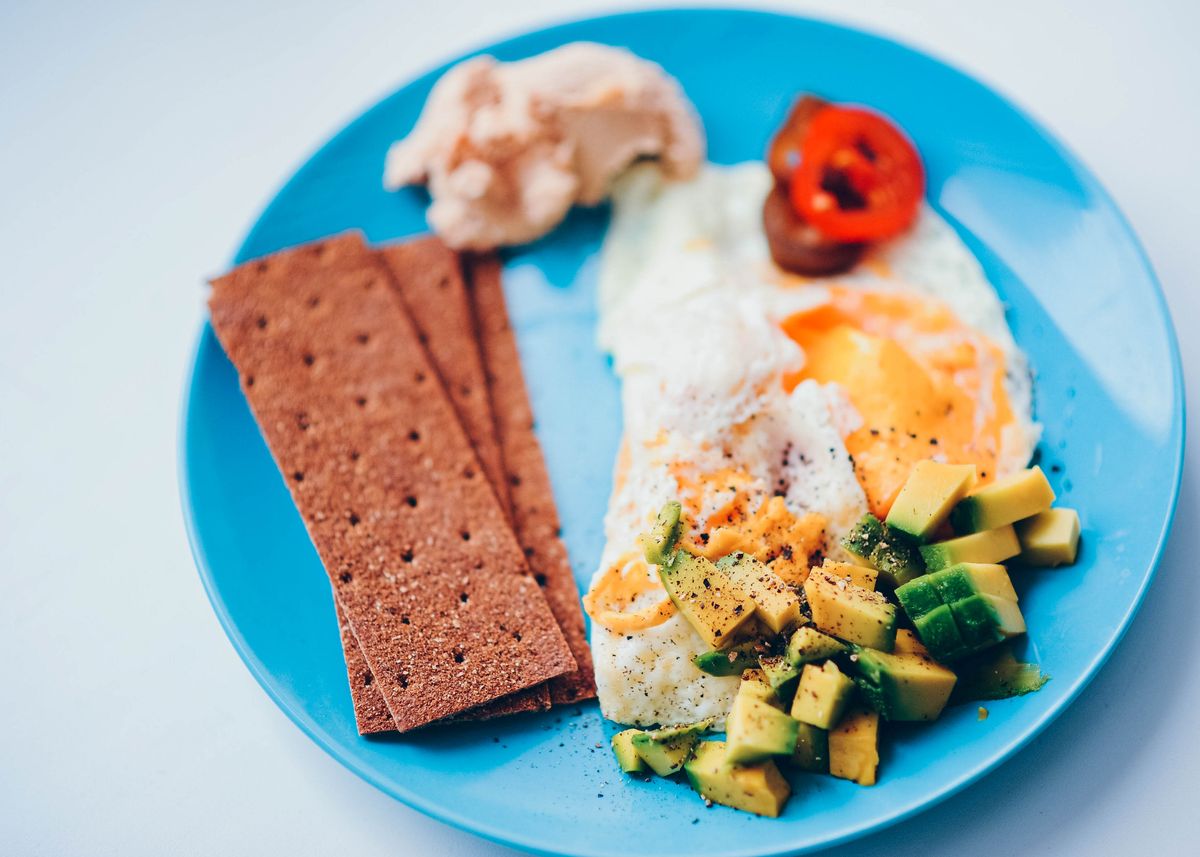
Why 30g of protein at breakfast specifically?
A 2014 study published in the Journal of Nutrition compared muscle protein synthesis across people eating identical total daily protein (90g) but distributed differently: one group front-loaded protein (10g breakfast, 30g lunch, 50g dinner) and another distributed evenly (30g per meal). The evenly distributed group built measurably more muscle.
The mechanism: muscle protein synthesis (MPS) has a “trigger threshold” of about 20-25g of leucine-rich protein per meal. Hit that threshold three times per day and your body spends more total time in muscle-building mode. Hit it only at dinner and you’re missing out on two-thirds of the potential daily anabolic response.
The 30g number is the safer side of that threshold — guaranteed to trigger MPS even in older adults (whose threshold is slightly higher due to anabolic resistance). For people over 50 specifically, breakfast protein matters even more — multiple studies show inadequate breakfast protein is one of the biggest predictors of age-related muscle loss.
A 7-day high-protein breakfast plan
Rotate through this week-long lineup to keep things interesting:
- Monday: Protein smoothie (42g) — fastest option for early starts
- Tuesday: Greek yogurt + protein powder bowl (38g) — quick prep
- Wednesday: 4 egg muffins + fruit (30g) — Sunday meal prep payoff
- Thursday: Cottage cheese power bowl (35g) — savory variety
- Friday: Loaded toast with eggs and cottage cheese (30g) — feels like a treat
- Saturday: Protein pancakes with Greek yogurt (36g) — weekend indulgence
- Sunday: Steak and eggs OR salmon eggs benedict (35-50g) — pre-workout fuel
Total grocery cost for a week: ~$30-40 depending on protein source. Time investment: 25 minutes Sunday for meal prep, plus 3-8 minutes per day for the daily assembly.
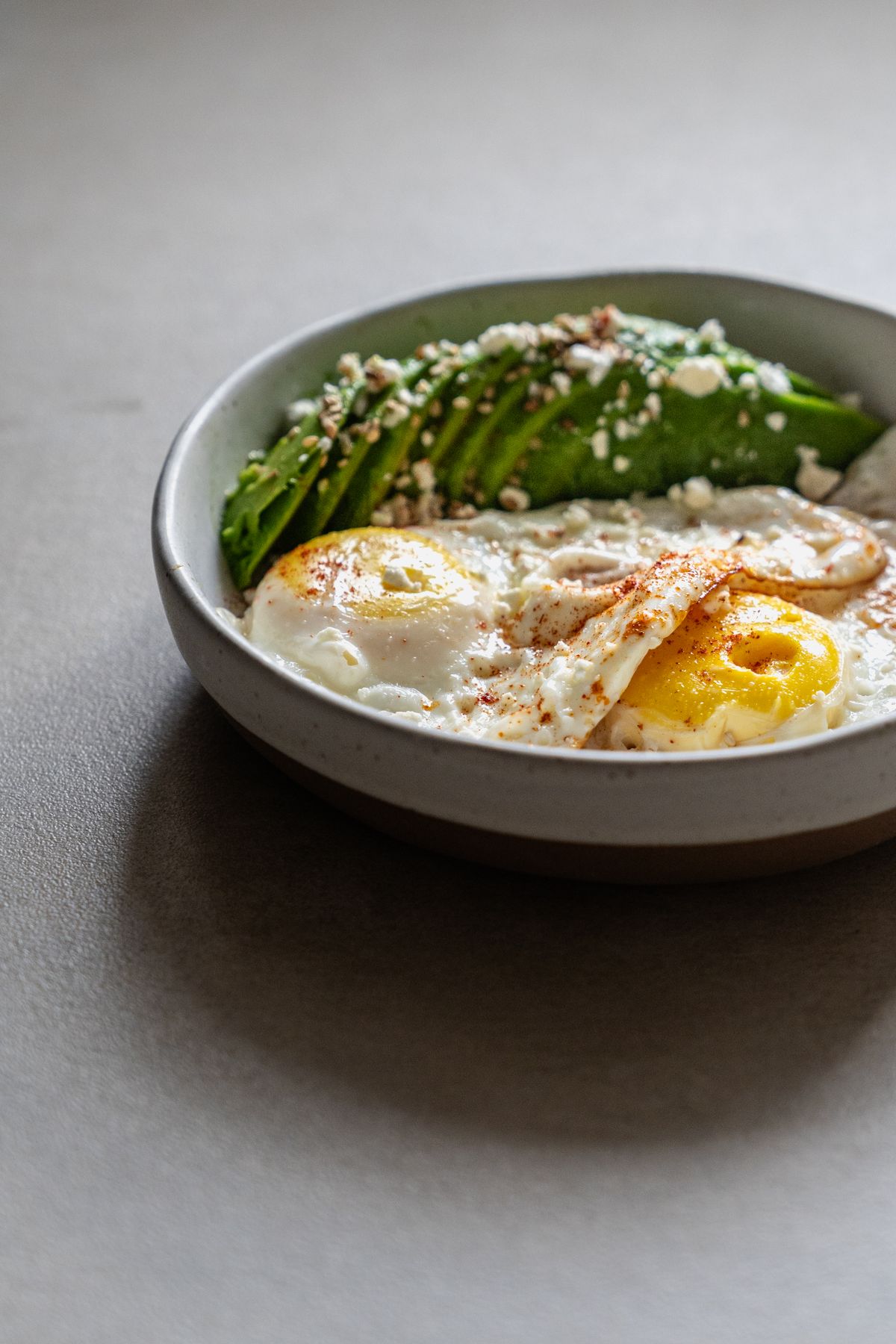
MORE BREAKFAST GUIDES
FAQ
Is 30g of protein at breakfast too much?
No. For most healthy adults, 30g is well within the optimal range. People with kidney disease should check with their doctor on total daily protein, but 30g per meal isn’t dangerous on its own.
Will I feel weighed down after a high-protein breakfast?
Most people feel the opposite — sustained energy without the carb-driven mid-morning crash. The first few days of switching from a carb-heavy breakfast can feel different, but the adaptation usually happens within a week.
Can I work out fasted and still hit my protein target?
Yes — just shift the breakfast to post-workout. Train fasted at 6 AM, eat a 30g+ protein breakfast at 8 AM. The window for protein synthesis after training is wide (4-6 hours per recent research), not 30 minutes as the old “anabolic window” thinking suggested.
What if I don’t like eggs or yogurt?
Cottage cheese, smoked fish (salmon or trout), turkey bacon, breakfast steak, tofu scrambles, protein smoothies, protein bars, leftover dinner protein — there are dozens of ways to hit 30g.
Are protein shakes a meal?
Sort of. A well-built protein smoothie (with fruit, fat, fiber, and protein powder) functions as a meal nutritionally. A bare protein shake (water + protein powder) is closer to a snack.
How does this work if I’m vegan?
Higher effort but doable. Tofu (22g per 6 oz), tempeh (21g per 4 oz), seitan (21g per 3 oz), and high-protein plant milks all help. A vegan protein powder makes hitting 30g much easier.
Do kids need high-protein breakfasts?
Kids need protein, but the 30g adult target doesn’t apply. Use age-appropriate portions and focus on real-food sources rather than supplements. School-age kids typically do well with 15-20g at breakfast.
More breakfast ideas, protein guides, and meal-prep wins in our recipe library.
Related on EatFitFuel