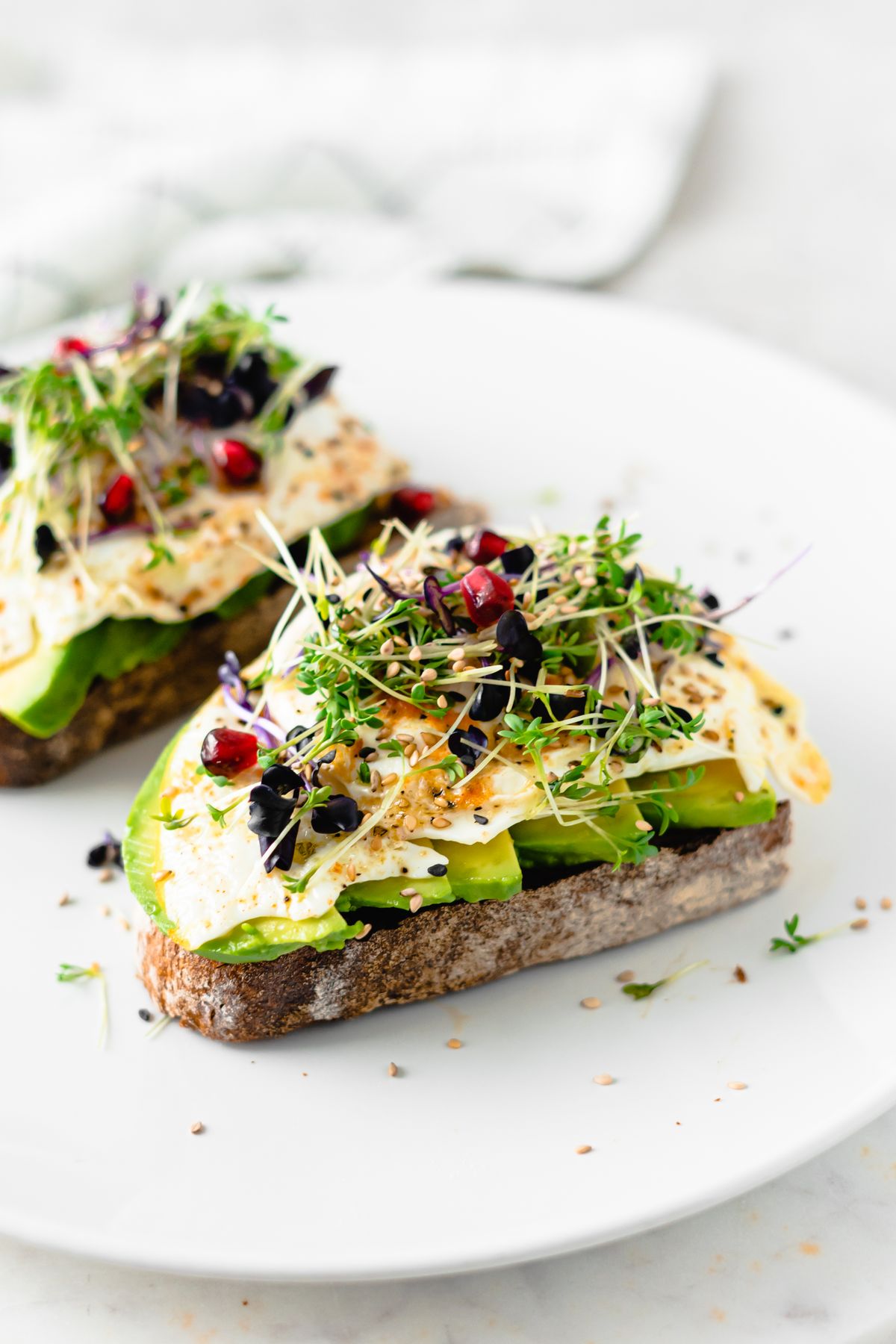
Most “low calorie breakfast” lists are sad bowls of plain Greek yogurt or three eggs whites and a tomato. That’s not what most people want — and it’s not what you need. A good low calorie breakfast lands at 250-400 calories with real protein, real flavor, and enough volume that you don’t crash at 10 AM. Here are 15 low calorie breakfast ideas, organized by goal (high protein, fast prep, sweet vs. savory) with macros for each so you can match the meal to your day.
- Target range: 250-400 calories with 20g+ protein for a real low-cal breakfast that holds you
- Protein is the variable that matters most — under 15g and you’re hungry by 10 AM regardless of calories
- Fastest options: Greek yogurt parfait, cottage cheese bowl, scrambled eggs with vegetables
- Make-ahead winners: Overnight oats, egg muffins, chia pudding
- Skip: Plain bagels, sweetened oatmeal packets, granola bars (low protein, high sugar)
The framework: protein-first, then volume
The mistake most people make with low calorie breakfasts is cutting calories without cutting hunger — which leads to mid-morning snacking, low energy, and a “diet” that lasts three days. The fix is hitting protein hard at breakfast.
Aim for 20-30g of protein. A 300-calorie breakfast with 25g protein keeps you full for 4+ hours. A 300-calorie breakfast with 8g protein (toast + fruit, smoothie with banana, oatmeal alone) has you raiding the office snack bin by 10 AM. Same calories, completely different outcome.
Add high-volume foods. Vegetables, berries, leafy greens — the foods that fill your plate without filling your calorie budget. Our list of foods under 50 calories covers the best volume-without-calories options.
Keep added sugars under 8g. Most “healthy” breakfasts (granola, flavored yogurt, smoothie bowls) get there by adding a lot of sugar. Real fruit is fine — that’s natural sugar with fiber. The problem is added syrups, sweeteners, and pre-sweetened cereals.
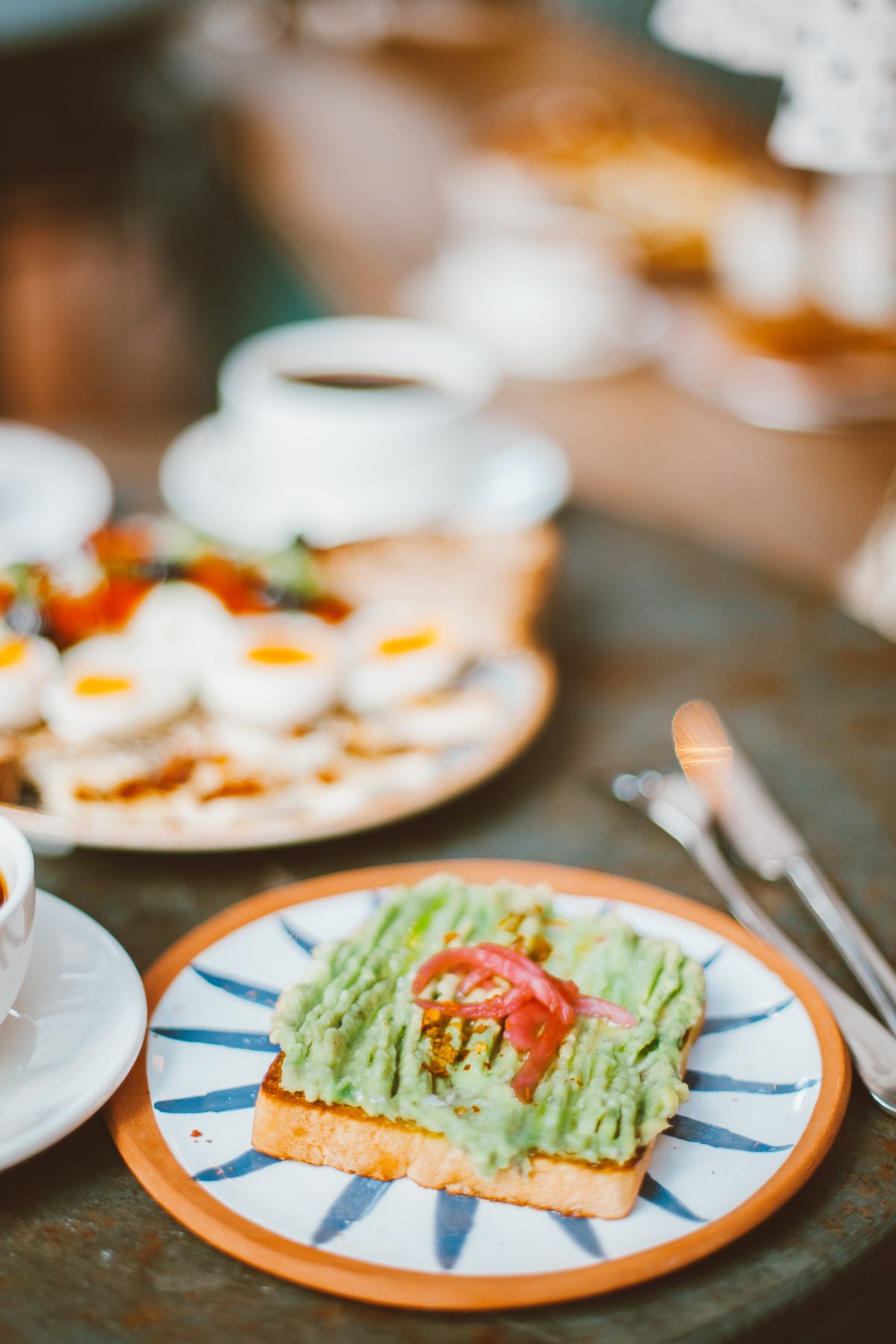
5 high-protein low calorie breakfasts (under 350 calories)
1. Greek yogurt parfait — 300 cal, 24g protein
1 cup nonfat Greek yogurt (130 cal, 24g protein) + ½ cup mixed berries (35 cal) + 2 tbsp granola (60 cal) + 1 tsp honey (20 cal) + cinnamon. Assembles in 90 seconds. Protein density is unmatched at this calorie level.
2. Cottage cheese bowl with fruit — 280 cal, 25g protein
¾ cup 2% cottage cheese (160 cal, 22g protein) + 1 small peach or ½ cup pineapple (60 cal) + 1 tbsp chopped pecans (50 cal) + drizzle of honey + flaky salt. The salt-and-fruit combo turns cottage cheese from “grim diet food” into something you actually want to eat.
3. Scrambled eggs with spinach and feta — 310 cal, 22g protein
3 large eggs (210 cal) scrambled with 2 cups raw spinach (15 cal, wilts down to ¼ cup) and 1 oz feta (75 cal). Cooked in 1 tsp olive oil (40 cal). Hits all the boxes — protein, vegetable volume, healthy fat, ready in 5 minutes.
4. Smoked salmon avocado toast — 340 cal, 20g protein
1 slice whole grain bread (90 cal) + ¼ avocado (60 cal) + 2 oz smoked salmon (60 cal, 12g protein) + 1 hard-boiled egg sliced on top (70 cal, 6g protein) + capers and dill. The capers and lemon brighten the whole thing.
5. Tofu scramble with vegetables — 280 cal, 22g protein
6 oz crumbled extra-firm tofu (150 cal, 18g protein) cooked with ½ bell pepper, ¼ onion, and 1 cup mushrooms (60 cal total) in 1 tsp olive oil (40 cal). Season with nutritional yeast, turmeric, and salt. Vegan, gluten-free, and surprisingly egg-like in texture.
5 fast low calorie breakfasts (under 5 minutes)
6. Overnight oats (basic) — 320 cal, 15g protein
½ cup rolled oats + ¾ cup unsweetened almond milk + 1 scoop protein powder + 1 tsp chia seeds + ¼ tsp cinnamon. Stir, refrigerate overnight, top with ½ cup berries in the morning. Total assembly time: 90 seconds the night before, zero in the morning.
7. Protein smoothie — 290 cal, 28g protein
1 cup unsweetened almond milk + 1 scoop whey protein + ½ frozen banana + 1 cup spinach + 1 tbsp peanut butter + ice. Blender takes 60 seconds. The spinach disappears flavor-wise. More smoothie ideas here.
8. Egg-in-a-mug — 220 cal, 16g protein
Crack 2 eggs into a microwave-safe mug. Add 2 tbsp milk, salt, pepper. Microwave 90 seconds, stirring once at 45 seconds. Top with 2 tbsp salsa and a sprinkle of cheese (50 cal). Single mug, no cleanup, real breakfast.
9. Whole grain toast with cottage cheese — 280 cal, 20g protein
1 slice whole grain toast (90 cal) + ½ cup 2% cottage cheese (110 cal, 14g protein) + sliced cucumber + everything bagel seasoning + a few cracks of black pepper. The savory cottage cheese option. Tastes like a bagel-and-cream-cheese situation for half the calories.
10. Cottage cheese protein pancakes (3-ingredient) — 340 cal, 28g protein
Blend ½ cup cottage cheese, 2 eggs, and ¼ cup oats. Cook like pancakes — makes 3 medium pancakes. Top with ½ cup berries and 1 tsp maple syrup. Sweet, hot breakfast that hits the same comfort food register as regular pancakes.
Cottage cheese. 14g of protein per ½ cup at 110 calories. Versatile (sweet with fruit, savory with everything bagel seasoning, even pancake-able). Cheaper than Greek yogurt. The texture is the only barrier — once you stop comparing it to ricotta and treat it as its own thing, it’s the most efficient breakfast tool in the kitchen.
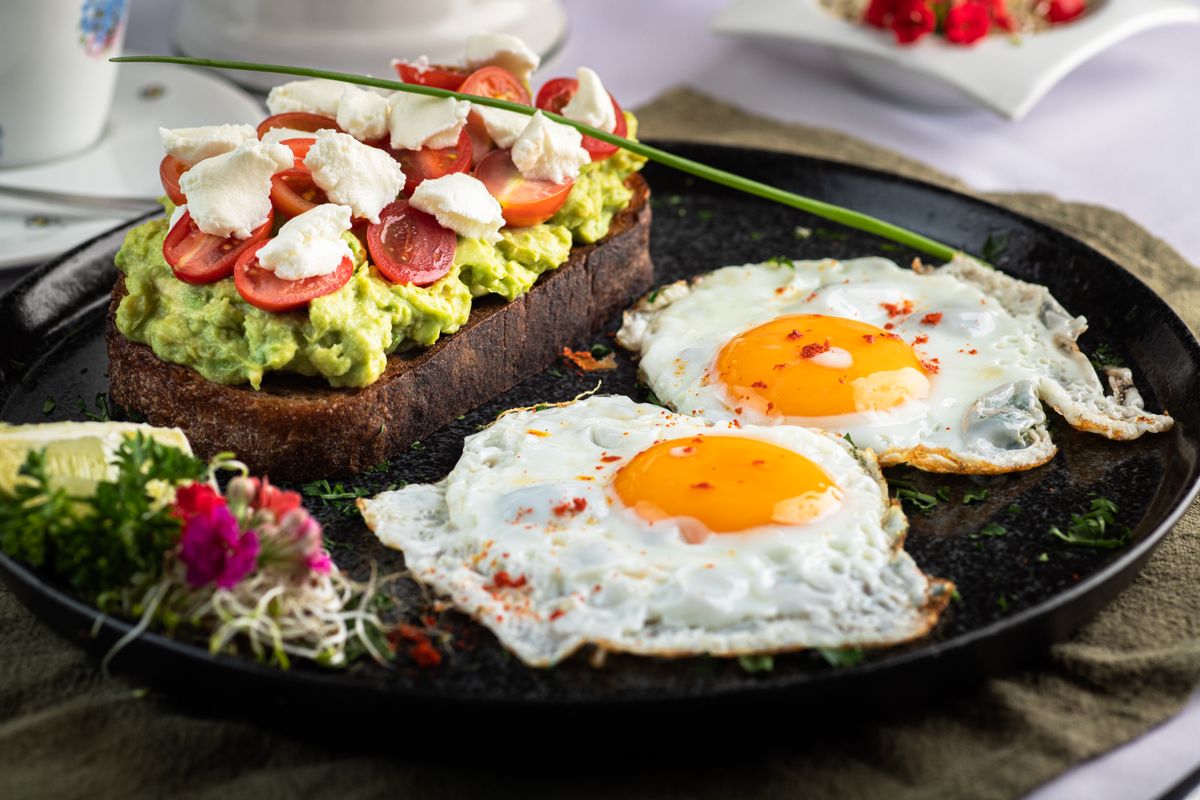
5 make-ahead low calorie breakfasts
11. Egg muffins (12-pack batch) — 80 cal, 6g protein each
Whisk 10 eggs with chopped spinach, bell peppers, ½ cup feta, salt, pepper. Pour into a greased muffin tin and bake at 350°F for 22 minutes. Each muffin: ~80 cal, 6g protein. Eat 3-4 with a piece of fruit for a 320-cal breakfast. Refrigerate up to 5 days; freeze up to 2 months.
12. Chia seed pudding — 280 cal, 18g protein
3 tbsp chia seeds + 1 cup unsweetened almond milk + 1 scoop vanilla protein powder + ½ tsp vanilla extract + 1 tsp maple syrup. Stir and refrigerate overnight (forms a pudding texture). Top with ½ cup berries. Keeps 4 days in the fridge.
13. Breakfast burrito (freezer-friendly) — 350 cal, 22g protein
Whole wheat tortilla (130 cal) + 2 scrambled eggs (140 cal) + 2 tbsp black beans + 2 tbsp salsa + 1 oz reduced-fat cheese (70 cal). Wrap tightly in foil, freeze. Microwave 90 seconds from frozen. Make 6-10 at once; one batch covers two weeks.
14. Steel-cut oatmeal (batch) — 310 cal, 14g protein
Cook 1 cup steel-cut oats with 4 cups water (makes 4 servings). Reheat ¾ cup portions with 1 tbsp peanut butter and ¾ cup unsweetened almond milk + ½ scoop protein powder stirred in. Tops with sliced banana and cinnamon.
15. Green smoothie freezer packs — 270 cal, 25g protein (after blending)
Portion 1 cup spinach + ½ banana + ½ cup frozen mango + 1 tbsp peanut butter into freezer bags. Make 5-7 at a time. In the morning: dump one bag into a blender with 1 cup unsweetened almond milk and 1 scoop protein powder. Blend 60 seconds. The freezer packs eliminate the “I don’t want to prep right now” friction.
“Healthy” breakfasts that aren’t actually low-calorie
Five common breakfasts that look low-calorie but stack up surprisingly fast:
Avocado toast (the trendy version). A whole avocado plus 2 slices of sourdough with olive oil and feta lands at 600-700 calories with only 15g protein. The macros are fine; the calorie count is not low.
Granola bowls. Even “healthy” granola is 300-400 calories per cup. Adding it to yogurt + fruit easily hits 600 calories. A 2-tbsp granola sprinkle is fine; a full cup is dessert masquerading as breakfast.
Acai bowls. The Instagram-famous version with granola, peanut butter, honey, and multiple fruits regularly hits 600-800 calories. The acai puree itself is ~150 cal/cup, but the toppings stack hard.
Smoothies from juice bars. Most are 500-700 calories because they’re built around banana + nut butter + dates + protein powder. Make your own at home and you can land at 290 calories with the same protein content.
Bagel with cream cheese. A Bruegger’s or Einstein bagel is 360-400 calories before the cream cheese, which adds another 100-200. Total: 460-600 calories and only 12g protein. Reasonable as a breakfast — but not low-calorie.
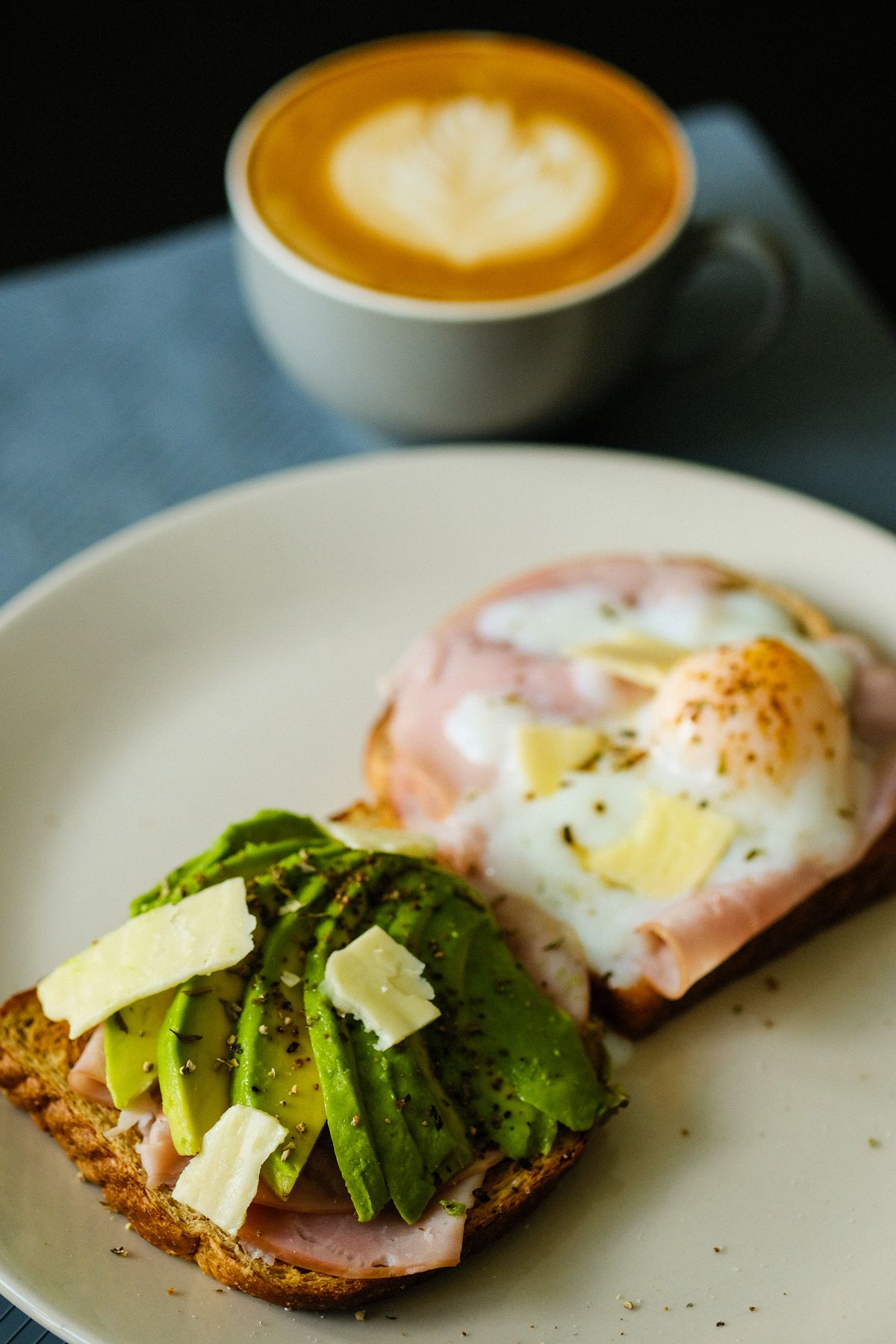
What about skipping breakfast?
For some people, intermittent fasting (typically eating from noon to 8 PM) works well. The metabolic case for skipping breakfast specifically isn’t strong — your metabolism doesn’t “slow” if you skip breakfast — but if compressing your eating window helps you stay in a calorie deficit, it’s a legitimate strategy.
The catch: most people who skip breakfast end up eating bigger lunches and snacking heavily before dinner. The “I skipped breakfast” calorie savings often disappear by 2 PM. If you can genuinely sustain a fasting window without overeating later, fine. If you can’t, eat a small protein-forward breakfast — it usually leads to less total eating across the day.
FAQ
How many calories should a low-calorie breakfast have?
For most adults on a fat-loss plan, 250-400 calories at breakfast is the sweet spot. Lower than 200 and you’ll be hungry by mid-morning. Higher than 450 and you’re using up too much of your daily budget on breakfast. The protein content matters more than the exact calorie number.
Is skipping breakfast bad for you?
Not inherently. Despite decades of “breakfast is the most important meal” messaging, modern research doesn’t support a unique metabolic advantage to eating breakfast. Total daily calories and macronutrient quality matter more than meal timing for body composition.
What’s the lowest calorie breakfast option?
Two scrambled egg whites + half a cup of berries can land at 100 calories. But at that calorie level, you’ll be hungry within 2-3 hours. Most adults do better at 250-300 calories with 20g+ protein for sustained energy.
Are eggs good for weight loss?
Yes — eggs are one of the most satiating breakfast foods per calorie. A 2008 study in the International Journal of Obesity found people who ate eggs for breakfast lost 65% more weight than those who ate a bagel breakfast of equal calories, because the eggs reduced hunger throughout the day.
Can I just have coffee for breakfast?
Plain black coffee is essentially zero calories and fits any fasting protocol. Coffee with sugar and cream adds 100-200+ calories without adding protein or fiber. If you’re going coffee-only, keep it black or add only a splash of milk.
What about diabetic-friendly low-calorie breakfasts?
Most of the options above work — but skew toward higher-protein and lower-carb. Scrambled eggs with vegetables, cottage cheese with savory toppings, and tofu scrambles all keep blood sugar stable. Overnight oats and smoothies can spike glucose for some diabetics — pair with extra protein if you use them.
Are protein bars OK for breakfast?
Occasionally, yes — convenient and reliable in a pinch. Pick a quality protein bar and pair with a piece of fruit for 300-350 cal with real protein. Daily reliance isn’t ideal because whole foods deliver better satiety and nutrient variety.
More easy recipes, breakfast ideas, and meal-prep wins in our recipe library.
Related on EatFitFuel