
The pre-workout drink market is built on the assumption you need 300mg of caffeine and a stim stack to train hard. You don’t. For most workouts, the right pre-workout drink is something cheaper, simpler, and far less likely to leave you crashed at 4 PM. Here are the ten options worth considering — ranked from “drink this almost every time” to “save it for the days you really need an edge.”
- Default to water — most under-45-minute workouts don’t need anything else
- Black coffee 45 min before is the cheapest performance enhancer that actually works
- Skip pre-workout powders for daily training — save them for max-effort sessions
- Electrolytes matter more than carbs for sweaty 60+ minute sessions
- Beet juice is the dark horse for endurance — drink it 90 minutes before
How to think about pre-workout fueling
Before getting into the rankings, three things to know that will save you from buying overpriced supplements:
Hydration matters more than fuel for short sessions. A 2% drop in body water — pretty easy to hit if you came into the gym slightly dehydrated — measurably reduces strength output and time to fatigue. For most lifting and HIIT sessions under an hour, the limiting factor isn’t carbs or caffeine. It’s water.
Caffeine is the only legal performance enhancer with iron-clad evidence. Multiple meta-analyses confirm 3-6 mg/kg of caffeine taken 30-60 minutes pre-workout improves both endurance and strength performance by roughly 5-10%. That’s a meaningful edge — but it doesn’t matter what form the caffeine comes in. Coffee works. Pre-workout powder works. Tea works. There is no special “pre-workout caffeine” that outperforms the others.
Sugar makes sense for endurance, not for lifting. Carbs in your bloodstream help with sustained submaximal output (60+ minute cardio, long bike rides). For a 45-minute weights session, you have plenty of stored glycogen and adding sugar provides no measurable benefit.

The 10 best pre-workout drinks
1. Water
Yes, really. Eight to sixteen ounces of plain water 60 minutes before training, then sip another 8-10 ounces during the workout. For sessions under 45 minutes at moderate intensity, this is the entire pre-workout protocol you need. Free, no side effects, no crash.
When it shines: Strength training, lunchtime workouts, anytime you’re well-fed for the day.
2. Black coffee
An 8-12 oz cup of brewed coffee delivers roughly 100-200mg of caffeine, peaking in your bloodstream 45-60 minutes after drinking. That’s the same caffeine load most pre-workout powders deliver — at a fraction of the cost. Black coffee adds zero calories and clears your stomach in 15-20 minutes.
When it shines: Heavy lifting days, morning workouts, anytime you want a stim without an energy drink load.
Watch out: If you train after 3 PM and want to sleep, switch to half-caf or skip it. Caffeine has a 5-6 hour half-life.
3. Electrolyte drink (LMNT, Liquid IV, DIY)
If you sweat heavily, train in heat, or do sessions over 60 minutes, electrolytes outperform plain water. The key minerals are sodium (300-1,000mg), potassium (200-400mg), and magnesium (small amount). LMNT is the high-sodium, no-sugar option people in the strength community like. Liquid IV has more sugar but works fine for endurance.
DIY version: 16 oz water, ½ tsp salt, ¼ tsp lite salt (potassium), 1 tbsp lemon juice, optional pinch of stevia. Costs about $0.05 per serving versus $1.50+ for branded packets.
When it shines: Hot yoga, summer outdoor cardio, two-a-days, sessions over 60 minutes.
4. Tart cherry juice
An 8-ounce serving of unsweetened tart cherry juice (Montmorency variety) provides anti-inflammatory anthocyanins that have been shown in multiple studies to reduce post-workout muscle soreness. The performance benefit on the day-of is modest, but the recovery benefit is real — especially if you’re training back-to-back days.
When it shines: The day before a hard workout, or daily during high-volume training blocks.
Watch out: Tart cherry juice has 30g of sugar per cup, so it’s not “free” calorically. Buy unsweetened (sweetened versions add even more).
5. Beet juice
Beet juice is loaded with dietary nitrates, which your body converts to nitric oxide — the same molecule those expensive “vasodilator” pre-workouts try to manufacture. Studies show 6-8 oz of beet juice 90 minutes before exercise can extend time-to-exhaustion by 15-25% in endurance athletes. The effect on lifting is smaller but measurable on later sets in high-rep work.
When it shines: Long runs, long cycling sessions, hypertrophy work with sets over 12 reps.
Watch out: Don’t be alarmed by red urine for the next 24 hours. Also, beet juice is loaded with sugar — about 20g per 8 oz serving.
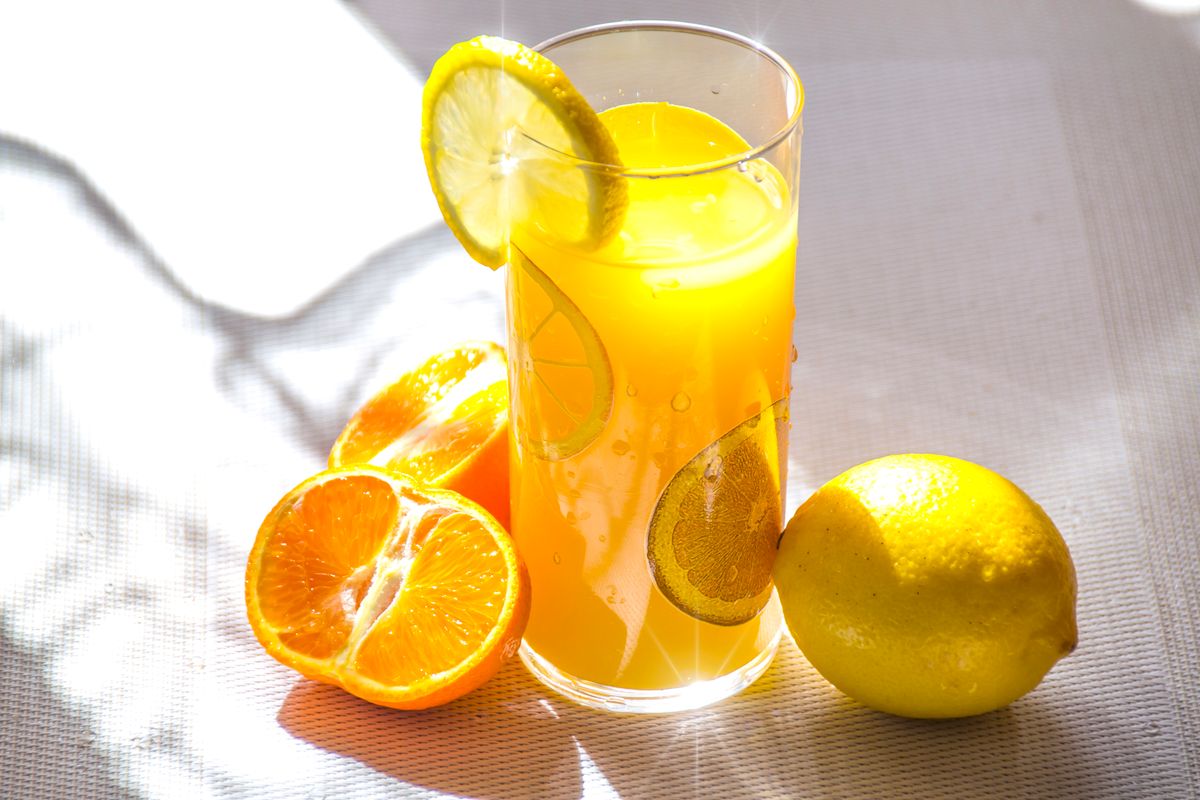
6. Green tea or matcha
A cup of brewed green tea (30-50mg caffeine) or a matcha latte (60-80mg) delivers a gentler caffeine hit than coffee, plus L-theanine — an amino acid that smooths out the jittery edge. The combination is the basis for the “calm focus” pre-workouts that have proliferated.
When it shines: Late-afternoon workouts when you want a lift without sleep disruption, yoga or mobility sessions where you want focus without aggression.
7. Coconut water + pinch of salt
Plain coconut water has decent potassium but is low in sodium, which is the electrolyte you actually lose most in sweat. Add a generous pinch of salt to a 16-oz bottle and you’ve made a respectable sports drink with about 12g of natural sugars and a meaningful electrolyte profile.
When it shines: Outdoor summer training, low-intensity cardio over 60 minutes.
8. Carb-loaded sports drink (Gatorade, Tailwind)
Old-school sports drinks (6-8% carbohydrate solution) are still the standard for sustained endurance over 90 minutes. The calorie load that’s overkill for a weights session becomes a real performance benefit when you’re 2 hours into a long bike ride or run.
When it shines: Long endurance sessions (90+ minutes), training in heat, two-hour soccer practice. Tailwind is a good high-quality option if you want something less syrupy than Gatorade.
9. Banana smoothie
Blend a banana, 8 oz unsweetened almond milk, 20g protein powder, and a tablespoon of nut butter. You’ve made a 300-calorie meal-replacement that doubles as a pre-workout drink. Drink it 30-45 minutes before training.
When it shines: Morning workouts when you don’t want a full breakfast first, fasted-trainers transitioning to fed training, anyone trying to add calories for muscle gain.
10. A real pre-workout powder (used selectively)
Commercial pre-workouts make sense for max-effort sessions: PR attempts, competition prep, deload-week wake-up calls. Look for products with 200-300mg caffeine, 3-6g citrulline malate, 3-5g creatine, and 2-3g beta-alanine. Skip anything with a “proprietary blend” — that’s marketing-speak for “we don’t have to tell you the doses.” Third-party tested options like Transparent Labs, Legion, and Momentous are worth the markup.
When it shines: Two to three times a week max — definitely not every session. Save them for when you genuinely need an edge.
Watch out: Daily use builds caffeine tolerance fast — within 2-3 weeks you’ll need more for the same effect. More on pre-workout duration and timing here.
Most experienced lifters end up with a rotation: water for easy days, coffee for moderate-effort days, electrolytes when it’s hot, and a real pre-workout powder reserved for 1-2 sessions a week. That keeps caffeine tolerance manageable and saves the supplement budget for the days when an edge actually matters.
Timing your pre-workout drink
When you drink matters as much as what you drink. The general guidelines:
- Water/electrolytes: 60 min before, then sip during
- Coffee/caffeine: 45-60 min before for peak blood levels mid-workout
- Beet juice: 90-120 min before — nitrates take a while to convert
- Smoothie/banana: 30-45 min before
- Pre-workout powder: 20-30 min before
Drink anything sugar- or carb-heavy too late and you risk an insulin response that leaves you feeling sluggish at the start of the workout. Drink caffeine too late and the peak effect lands during your cooldown, not your work sets.
Building your weekly rotation
If you train four to six days a week, the smartest move is rotating between options based on the workout demand and the time of day. Cycling caffeine in particular keeps tolerance manageable — the same 200mg dose that gives you a meaningful kick if you’ve been off caffeine for two days does almost nothing if you’ve had it daily for a month.
A representative weekly pattern that works for most lifters:
- Monday — heavy upper body: Black coffee 45 min before, water during
- Tuesday — moderate cardio (45 min): Water only, electrolytes if it’s hot
- Wednesday — heavy lower body: Pre-workout powder 25 min before (this is your “edge” day)
- Thursday — recovery / mobility: Green tea or just water
- Friday — moderate full body: Black coffee 45 min before
- Saturday — long cardio (75+ min): Beet juice 90 min before, sports drink during
- Sunday — rest or yoga: Tart cherry juice for recovery if you trained hard the day before
The pattern matters more than the specifics. Even if you swap green tea for matcha, or use a smoothie instead of beet juice, the core idea — match the drink to the demand and don’t burn through caffeine tolerance — holds up.
Caffeine deload weeks: Once every 4-6 weeks, drop all caffeine for 5-7 days. The first three days are rough (headaches, fatigue), then your sensitivity resets. When you reintroduce coffee or pre-workout, the same dose hits noticeably harder.
What to skip
Energy drinks (Monster, Bang, etc.). Most contain 200-300mg caffeine plus various stimulants and 50+ grams of sugar (or artificial sweeteners that bother some stomachs). The performance benefit doesn’t outweigh the crash.
BCAAs as a stand-alone drink. If you’re getting 1g of protein per pound of bodyweight from food, BCAAs add nothing. They’re also more expensive per gram of leucine than whey protein.
“Fat burner” drinks. The active ingredients are typically caffeine plus a stim stack. You’re paying $40 a tub for what black coffee delivers for free.
Apple cider vinegar shots. No evidence they improve workout performance. Will give you reflux mid-set.
Keep reading
FAQ
Do I need a pre-workout drink at all?
For sessions under 45 minutes, no — water and the calories you’ve eaten in the last 4-6 hours are enough. For longer or higher-intensity sessions, the right pre-workout drink can meaningfully improve how you feel and perform.
How much caffeine is too much before a workout?
For most adults, 6 mg/kg bodyweight is the upper limit of what helps performance. For a 175-pound person that’s about 480mg, but going above 300mg risks jitters, elevated heart rate, and disrupted sleep with little additional benefit.
Can I drink protein shakes before a workout?
Yes, but timing matters. A liquid 20-30g protein shake 30-45 minutes before training works fine for most people. Adding banana or oats turns it into a full pre-workout meal that needs more time to digest.
What’s the best pre-workout drink for fasted morning training?
Black coffee plus electrolytes. The caffeine helps performance, the electrolytes prevent the lightheaded feeling some people get on an empty stomach. If you can’t tolerate coffee on an empty stomach, plain caffeine pills (100-200mg) achieve the same effect without the gastric distress.
Will pre-workout drinks affect my sleep?
Anything caffeinated can. Caffeine has a 5-6 hour half-life, meaning a 200mg dose at 4 PM still leaves 50mg in your system at 11 PM. If you train evenings and want quality sleep, switch to decaf coffee, herbal options, or just water.
Are pre-workout supplements safe long-term?
For healthy adults, the evidence on third-party-tested products with disclosed ingredients is reassuring — most ingredients (caffeine, creatine, citrulline, beta-alanine) have decades of safety data at standard doses. The risks come from undisclosed proprietary blends and from people who already have cardiovascular issues taking high-dose stimulant products. If you have a heart condition, high blood pressure, or are on prescription medications, run any pre-workout product past your doctor before use.
What’s the deal with non-stim pre-workouts?
Stim-free pre-workouts skip the caffeine and lean on citrulline (for blood flow), beta-alanine (for endurance in the 60-second-plus rep range), and creatine. They’re useful if you train at night, are caffeine-sensitive, or want to take a caffeine break without giving up the other ergogenic ingredients. Don’t expect the same subjective “wired” feeling — the benefits are real but quieter.
More on pre- and post-workout fueling, supplements, and what’s actually worth your money.