
Calorie counting gets easier when you have a mental list of “free” foods you can lean on without sweating the math. These 20 foods all clock in under 50 calories per serving, deliver real nutritional value (not just empty bulk), and work in actual meals — not just in theory. Use them as the volume around the protein on your plate, the bulk in your snacks, or the seasoning that makes a low-calorie meal feel like real food.
- “Free foods” aren’t truly free — but at under 50 cal/serving they’re effectively unlimited in any reasonable diet
- Volume + flavor + nutrients — the goal isn’t bulk for bulk’s sake; these all earn their plate space
- Build meals, don’t just snack — wrap protein in these and you have real food
- Watch the dressing — a 30-cal celery stalk turns into a 200-cal snack with two tablespoons of ranch
Vegetables (1-7)
1. Cucumber — 16 calories per cup
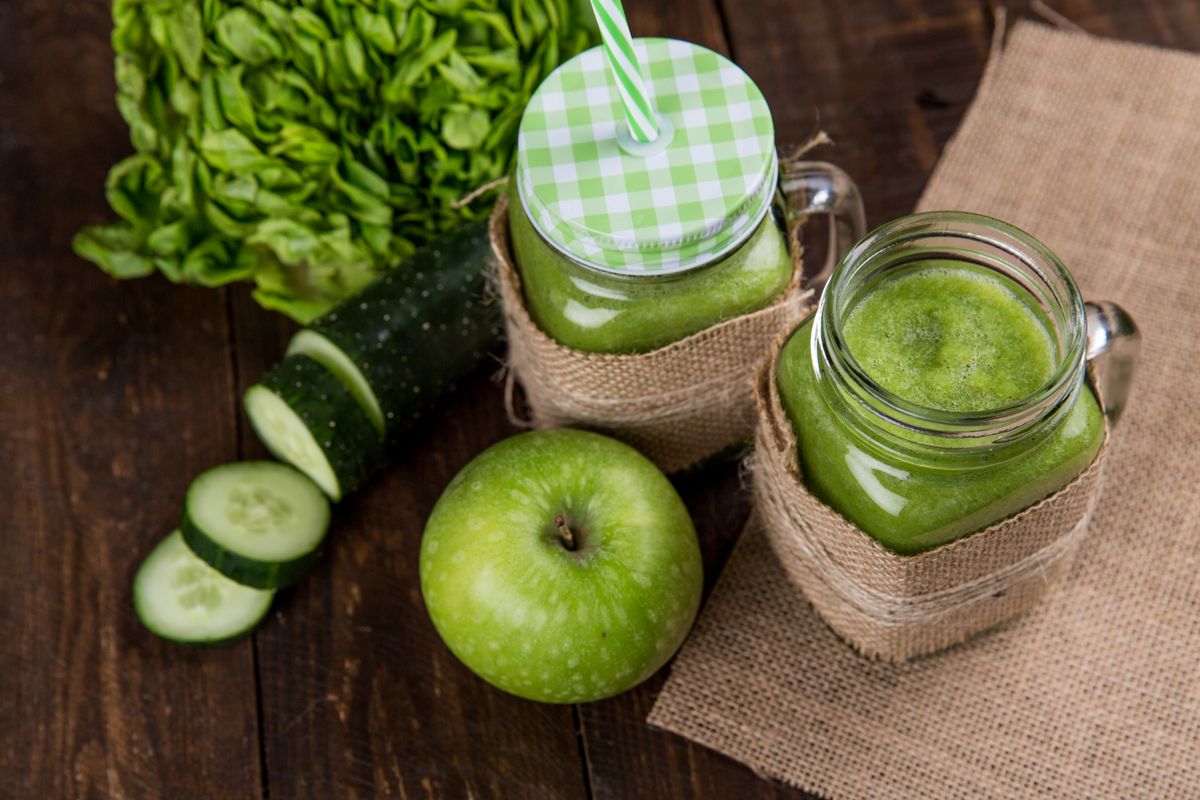
A whole cup of sliced cucumber is 16 calories. Cucumber is mostly water, but it carries flavor well — slice it into Greek yogurt with dill, or muddle in sparkling water with mint. Pair with hummus and a sprinkle of salt for a snack that punches above its calorie weight.
2. Spinach — 7 calories per cup (raw)
Raw spinach is shockingly low-calorie and surprisingly nutrient-dense — high in vitamin K, folate, and iron. Two cups in your morning smoothie disappear flavor-wise but add real micronutrients. A “huge” salad of 4 cups of spinach is still under 30 calories before dressing.
3. Cauliflower — 25 calories per cup
Cauliflower is the texture chameleon. Riced, it stands in for rice. Roasted, it gets nutty. Mashed, it’s a stand-in for potatoes. A whole head of cauliflower runs about 150 calories — basically free for the volume it delivers.
4. Broccoli — 31 calories per cup
Roasted at 425°F with olive oil, garlic, and parmesan, broccoli is a vehicle for flavor. Steamed and dressed with lemon, it’s a sharp side. Either way, the fiber-to-calorie ratio is unbeatable: a cup has 2.4g of fiber for 31 calories.
5. Zucchini — 20 calories per cup
Spiralize it into “zoodles” for a 20-calorie pasta substitute. Slice it into rounds and grill. Bake into low-carb bread. Zucchini absorbs whatever sauce or seasoning you put on it, which is exactly what you want from a base ingredient.
6. Bell pepper — 30 calories per cup (sliced)
Red bell pepper has nearly three times the vitamin C of an orange and tastes naturally sweet. Cut into wide strips for scooping hummus or guacamole — the crunch and sweetness do the work that chips usually do, for a fraction of the calories.
7. Celery — 6 calories per stalk
A medium celery stalk is 6 calories. Stuffed with a tablespoon of cottage cheese and everything bagel seasoning, it becomes a 30-calorie protein snack. The crunch is the appeal — most people don’t realize how much of their snack satisfaction is texture, not flavor.
Fruits (8-11)
8. Strawberries — 49 calories per cup (sliced)
Strawberries are right at the limit but earn their spot. A full cup of sliced strawberries delivers more vitamin C than the daily requirement and 3g of fiber. Macerate with a teaspoon of balsamic vinegar and black pepper for an upgrade that takes 2 minutes.
9. Watermelon — 46 calories per cup (cubed)
92% water. Add cucumber, feta, and mint for a savory salad that runs ~80 calories per generous serving. The lycopene content is high enough to be cardio-protective, similar to cooked tomatoes.
10. Cantaloupe — 47 calories per cup (cubed)
Underrated breakfast option. A cup of cantaloupe wrapped with prosciutto is a 130-calorie protein snack that reads as a real plate. High in beta-carotene and potassium.
11. Raspberries — 32 calories per ½ cup
Half a cup of raspberries delivers 4g of fiber for 32 calories — the highest fiber-to-calorie ratio of any common fruit. Stir them into Greek yogurt or sprinkle over cottage cheese. The intense flavor means a half-cup feels like more.
Soups, broths, and condiments (12-16)
12. Bone broth — 35-50 calories per cup
A cup of bone broth between meals fills you up and delivers 5-9g of protein with almost no calorie cost. The salty-savory profile satisfies the same craving that often drives snacking. Bonus: collagen for joint support.
13. Miso broth — 35 calories per cup
Mix a tablespoon of white miso with a cup of hot water and a few green onions. The umami hit makes you feel like you ate a real meal. The fermented profile is also gut-friendly.
14. Salsa (fresh, pico de gallo style) — 10 calories per ¼ cup
Mostly tomatoes, onion, and cilantro, fresh salsa is essentially free flavor. Top eggs, fish, chicken, or roasted vegetables. Skip the jarred kind with added sugar — the fresh stuff at the deli counter is the move.
15. Mustard — 5 calories per teaspoon
Yellow, Dijon, or whole-grain mustard adds enormous flavor for almost no calories. The condiment that mayo wishes it were. A tablespoon on a sandwich, mixed into a vinaigrette, or whisked with Greek yogurt for a creamy dressing.
16. Hot sauce — 0-5 calories per teaspoon
Most hot sauces are vinegar, peppers, and salt. Cholula, Tabasco, Frank’s RedHot, sriracha (slightly higher at 5-10 cal/tsp because of sugar) — all essentially free flavor amplifiers. The capsaicin may even modestly bump metabolism.

Other low-calorie wins (17-20)
17. Sugar snap peas — 41 calories per cup
A handful of sugar snap peas is a snack on its own. Crunchy, naturally sweet, and 3g of fiber per cup. Eat them raw or do a 90-second sauté with garlic and sesame oil.
18. Mushrooms — 21 calories per cup (sliced)
The umami workhorse. A cup of sautéed mushrooms in olive oil and garlic adds depth to almost any dish — eggs, pasta, chicken, soups. The texture mimics meat well enough that vegetarian dishes don’t feel empty.
19. Nori (seaweed sheets) — 5 calories per sheet
Roasted nori sheets are a 5-calorie snack with a salty-savory crunch. They’re high in iodine and a small dose of B12 (rare for plant foods). A pack of seasoned nori as an afternoon snack is the calorie equivalent of two grapes.
20. Egg whites — 17 calories per large white
A pure-protein add. Three egg whites are 51 calories with 11g of protein. Whisk them into omelets to bulk up, or use them in baking to replace whole eggs when calories matter more than richness.
Even at under 50 calories per serving, eating six servings adds up to 300 calories. The “unlimited” framing only works if you’re using these as bulk around a protein and reasonable portions, not as a license to eat 5 cups of carrots a day. The honest framing: these are the foods you don’t have to count when sizing a normal meal.
A few honorable mentions
A few foods landed just past the 50-calorie cutoff but earn a spot in any low-cal pantry rotation. Worth keeping on hand:
Cherry tomatoes (27 cal/cup): Sweet, snackable, full of lycopene. Half a pint with a sprinkle of sea salt is one of the best 60-calorie snacks going.
Asparagus (27 cal/cup): Roasted with a teaspoon of olive oil and lemon, asparagus is a side dish that feels indulgent for almost no calorie cost.
Pickles (dill, no sugar added) (4 cal/spear): Salty crunch for negligible calories. Watch the sodium if you have blood pressure concerns. Bread-and-butter pickles, by contrast, are loaded with sugar — read the label.
Sauerkraut (27 cal/cup): Fermented cabbage with the gut benefits to match. A few tablespoons on top of eggs or a sandwich is both flavor and probiotics for almost nothing.
Plain seltzer water with lemon (0 cal): The single best swap for soda or sweetened drinks. Add cucumber slices and mint for spa-water vibes; squeeze in lime and a dash of bitters for a non-alcoholic mocktail.
How to actually use these
Build half your plate from this list. Lean protein (chicken, fish, eggs, tofu) is the anchor. Half the plate volume comes from the foods above. Healthy fat (olive oil, avocado, nuts) is the seasoning. That structure makes most meals naturally land at 400-500 calories with high satiety.
Stack volume in soups. A pot of brothy vegetable soup with bone broth, mushrooms, spinach, zucchini, and bell pepper runs 100-150 calories per generous bowl with real protein and fiber. Eat one as a starter and you’ll naturally eat less of the entree.
Use them to extend higher-calorie dishes. Add a cup of cauliflower rice to a half-cup of regular rice. Stir spinach into pasta. Bulk up a stir-fry with mushrooms and bell peppers. The extension drops the calorie density of the meal without making it feel smaller.
Snack on the savory ones. Cucumber slices with everything bagel seasoning, celery with cottage cheese, bell pepper with hummus, nori sheets with sea salt — these all read as “real” snacks despite being under 100 calories. The trick is leaning into salt and crunch, not trying to make low-cal sweet snacks.
What to be careful with
Dressings and dips. A 30-calorie celery stalk turns into a 230-calorie snack with two tablespoons of ranch. Two tablespoons of olive oil on your salad is 240 calories — more than the salad. Measure dressings until you’ve trained your eye.
Cooking oil. A tablespoon of olive oil is 120 calories. Sautéing your “free” vegetables in three tablespoons of oil triples the calorie count silently. Use a teaspoon, or use a non-stick spray, or use broth as the cooking liquid.
Cheese sprinkles. An ounce of grated parmesan is 110 calories. A “small handful” of feta on a salad is 80-100 calories. These count.
“Healthy” sauces. Teriyaki, hoisin, BBQ — most have 30-60 calories per tablespoon and a lot of sugar. Stick to mustard, hot sauce, vinegar, and soy/tamari for free flavor.
FAQ
Are negative-calorie foods real?
No. The myth that celery “burns more calories digesting than it provides” doesn’t hold up. The thermic effect of food is real but small (~5-10% of caloric value for low-protein foods). What’s true is that very low-calorie, high-fiber foods leave you so satisfied that the net effect on overall intake is favorable.
Can I really eat unlimited amounts of these?
Practically, you’ll fill up before calories become an issue. Five cups of cucumber is 80 calories — but most people physically can’t eat that volume in one sitting. The “unlimited” framing is a useful mental shortcut even if it’s not literally true.
Why are most of these vegetables?
Because vegetables are mostly water and fiber, both of which add bulk without calories. Most fruits run 60-100 calories per cup — not bad, but not in the “under 50” tier. Berries are the exception because they’re so dense in fiber and water.
What about diet sodas, sugar-free gum, etc.?
Technically zero or near-zero calories, but they don’t deliver real nutritional value and may interact with hunger signaling differently than real foods. Use them as occasional swaps for sugary drinks or candy if helpful, but don’t lean on them as the foundation of low-calorie eating.
Do these work on a low-carb or keto diet?
Most of them, yes. The fruits (strawberries, watermelon, raspberries) have meaningful sugar, so they’re better limited on strict keto. The vegetables, broths, condiments, and egg whites all fit easily into low-carb plans.
How do these fit into a high-protein day?
Beautifully. The classic high-protein eating problem is hunger between meals — protein is filling but lean protein doesn’t give you much volume. These low-cal foods are the bulk that closes that gap. Pair a 4-oz chicken breast with two cups of roasted vegetables and you have a 350-calorie meal that fills the plate and the stomach.
More calorie strategies, food lists, and what-to-eat guides in our nutrition library.