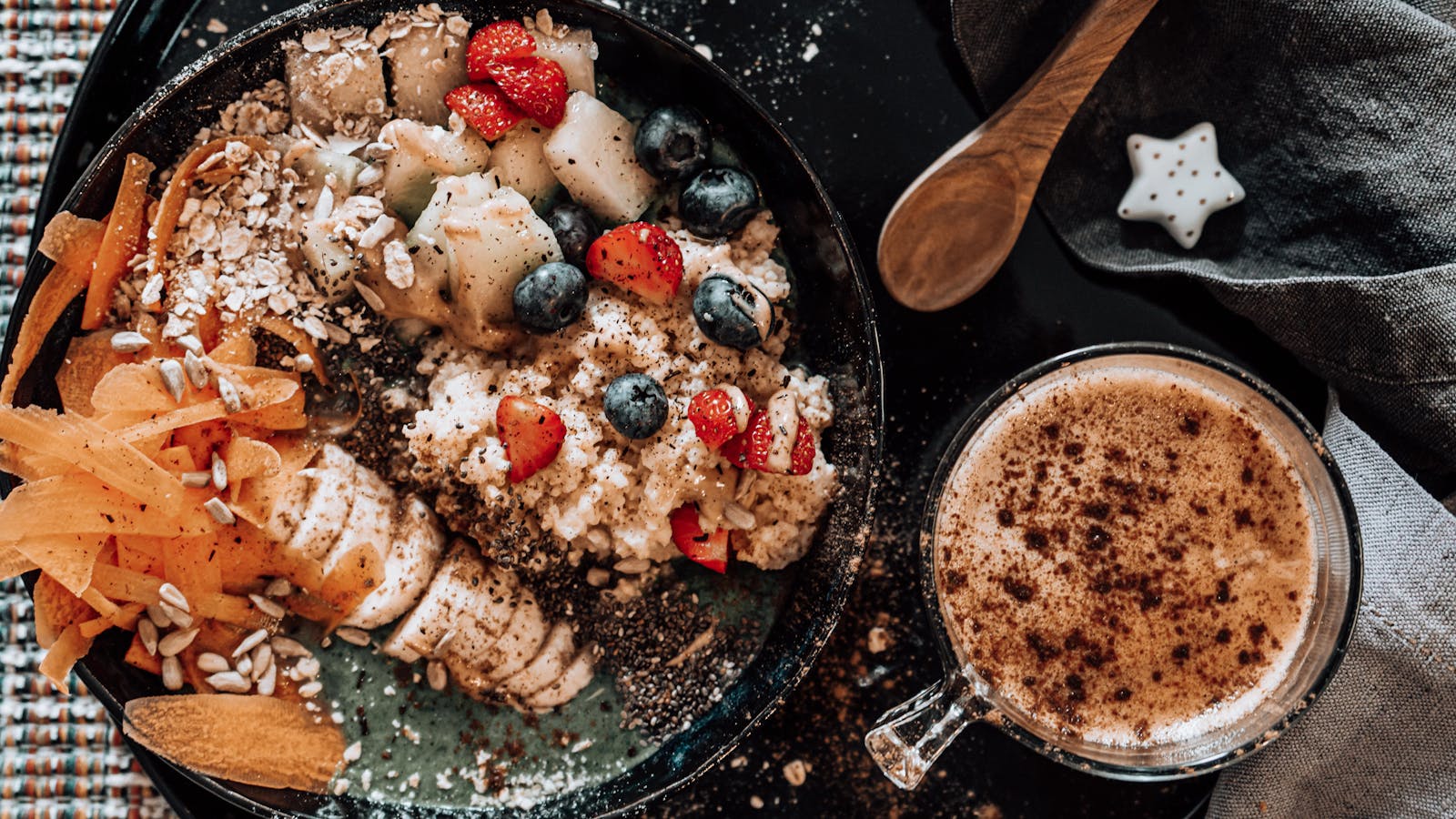
Blended overnight oats are the answer to the texture complaint that keeps people from sticking with regular overnight oats. Where the traditional version is chunky, slightly slimy, and can feel heavy in the morning, the blended version is creamy, smooth, and almost milkshake-like — while keeping every nutritional benefit. It is also faster to make, easier to portion, and works for hundreds of flavor variations.
This guide is the full playbook: the base recipe, the science behind why blending changes the experience, six flavor variations with macros, the best containers and equipment, how to scale up for meal prep, troubleshooting (texture too thick, too thin, too sweet), and how to use blended oats specifically for high-protein breakfasts that actually fill you up.
Why Blended Overnight Oats Beat Regular Overnight Oats
Three reasons people who quit overnight oats often come back for the blended version:
1. The texture is dramatically better. Whole oats soaking overnight can feel mushy or slimy. Blending breaks them down into a creamy, smooth consistency that is closer to pudding or thick yogurt — much more pleasant to eat first thing.
2. Faster to mix. Pour everything in a blender, blend 30 seconds, pour into containers. Easier than measuring milk into individual jars and stirring multiple times.
3. Hides additions perfectly. Greek yogurt, protein powder, cottage cheese, spinach, frozen banana, even egg whites all blend in invisibly. Suddenly your “breakfast” has 35-40 grams of protein, 8 grams of fiber, and a serving of greens — and tastes like a vanilla milkshake.
Regular overnight oats are about convenience. Blended overnight oats are about convenience plus a much better eating experience plus easier protein-stacking. The 30-second blender step turns a “I will eat it because it is healthy” breakfast into one you actively look forward to.
The Base Recipe (1 Serving)
This is the foundation. Memorize it; modify everything else.
| Ingredient | Amount | Why |
|---|---|---|
| Rolled oats (old-fashioned) | 1/2 cup (40g) | Base — fiber and slow carbs |
| Milk of choice (dairy or unsweetened almond/oat) | 3/4 cup (180ml) | Liquid base, calcium, hydration |
| Greek yogurt (plain, nonfat or 2%) | 1/2 cup (110g) | Protein, creaminess |
| Vanilla protein powder | 1 scoop (~30g) | Protein boost |
| Chia seeds | 1 tablespoon | Fiber, omega-3s, helps thicken |
| Maple syrup or honey | 1-2 teaspoons (optional) | Mild sweetness |
| Vanilla extract | 1/2 teaspoon | Flavor depth |
| Pinch of salt | — | Balances sweetness |
Method: Add everything to a blender. Blend 30-45 seconds until smooth. Pour into a 16-oz mason jar or container. Refrigerate at least 4 hours, ideally overnight. Eat cold straight from the jar, or top with fresh fruit and granola.
Nutrition: ~430 calories, 38g protein, 55g carbs (10g fiber), 7g fat. Genuinely filling for 4-5 hours.
The Science of Why It Works
Three things happen during the overnight soak:
1. The oats absorb liquid and soften. Rolled oats are tough straight from the bag. Soaking breaks down the structure and makes them digestible without cooking.
2. The chia seeds form a gel. Chia gel is what gives blended oats their pudding-like consistency. Without chia, the texture is more like a thin smoothie. With chia, it is creamy and spoonable.
3. The flavors meld. Vanilla, protein, salt, and any added fruits blend together over 4+ hours. The result tastes more “finished” than something you blend and eat immediately.
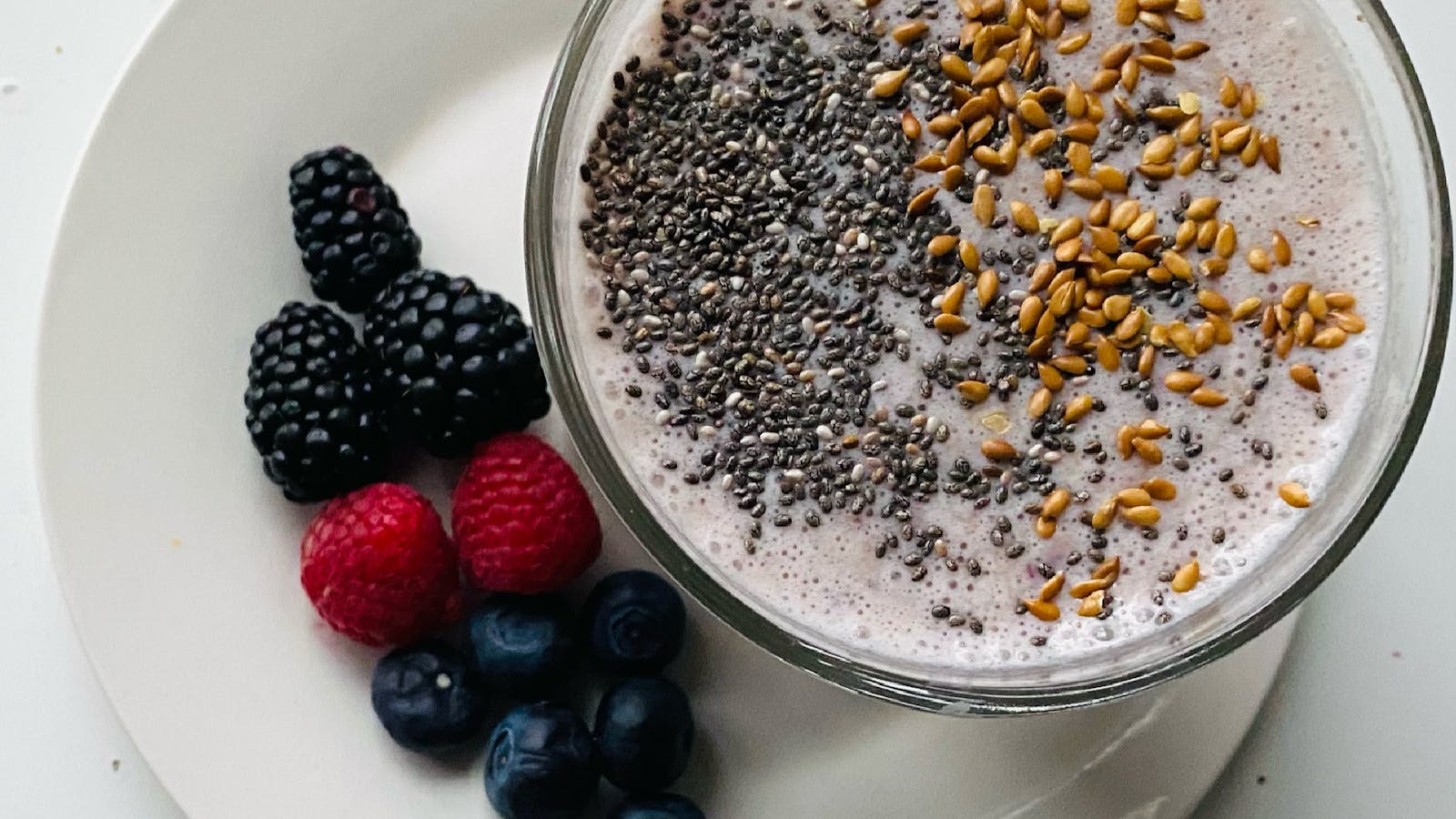
Six Flavor Variations (All Build on the Base)
| Variation | Add to Base | Approx Macros |
|---|---|---|
| Strawberry-Banana | 1/2 banana, 1/2 cup frozen strawberries, swap to vanilla protein | 490 cal / 38P / 70C / 7F |
| Peanut Butter Cup | 1 tbsp peanut butter powder, 1 tbsp cocoa powder, swap to chocolate protein | 490 cal / 42P / 58C / 12F |
| Apple Cinnamon | 1/2 apple chopped, 1 tsp cinnamon, swap to vanilla protein | 460 cal / 38P / 65C / 7F |
| Coffee Mocha | 2 tbsp brewed cold coffee, 1 tbsp cocoa, swap to chocolate protein | 440 cal / 38P / 56C / 7F |
| Blueberry-Lemon | 1/2 cup frozen blueberries, zest of 1/2 lemon, swap to vanilla protein | 460 cal / 38P / 62C / 7F |
| Pumpkin Spice | 1/3 cup pumpkin puree, 1 tsp pumpkin pie spice, 1 tsp maple syrup | 470 cal / 38P / 65C / 7F |
The base + variation system means you can run a different flavor every day for nearly two weeks before repeating, without complicated shopping.
Best Equipment
Blender: A standard blender (Ninja, Vitamix, even a NutriBullet) works fine. The blend only needs to be 30-45 seconds. Immersion (stick) blenders work but produce a chunkier texture — fine if you prefer it.
Containers: 16-oz wide-mouth mason jars are the gold standard. Easy to fill, easy to eat from, fit in lunch bags. Glass storage containers (Pyrex, Anchor Hocking) also work. Skip plastic — flavors absorb and the lids loosen over time.
Spoons: A long-handled iced-tea spoon scoops the bottom of a mason jar without your knuckles getting messy. Trivial detail; daily quality-of-life upgrade.
Meal Prep Strategy
To make 5 servings on Sunday for the week:
- 5x the base recipe in a single large blender batch (or 2-3 batches if your blender is smaller).
- Pour into 5 separate mason jars before adding any fruit.
- Add fresh fruit (or frozen blueberries, frozen banana chunks) to each jar separately so flavors stay vibrant.
- Refrigerate. They keep 5 days, easy.
Total active time: 12-15 minutes for a week of breakfasts. Compare to making breakfast every morning and you save 5-7 hours per month.
Troubleshooting Texture
Too thick? Add 2-3 more tablespoons of milk and re-blend (or stir in cold milk before eating).
Too thin? Add 1 more tablespoon of chia seeds and let sit another 30 minutes. Or add 2 more tablespoons of oats.
Slimy? Reduce chia by half. Some people are very sensitive to chia gel texture.
Bland? Increase salt to a slightly larger pinch and double the vanilla extract. Salt is the most under-used flavor lever in sweet breakfasts.
Too sweet? Reduce or omit the maple syrup. Plain Greek yogurt + flavored protein + fruit usually has plenty of sweetness on its own.
Why Protein Powder Matters Here
Without protein powder, the base recipe is about 16-18g of protein — modest but not high. With protein powder, it lands at 38g, which is in the muscle-protein-synthesis range and produces the real satiety benefit.
If you avoid protein powders, substitute with:
- 1/2 cup cottage cheese (blends invisibly, adds 15g protein)
- 3 egg whites (8-10g protein, blends fine — yes, you can blend raw egg whites; they cook in the soak via cold denaturation)
- 1 oz collagen peptides (10g protein, no flavor)
- An extra 1/2 cup of Greek yogurt (12g additional protein)
Common Mistakes
1. Skipping the salt. A pinch of salt makes every other flavor in blended oats more pronounced. Without it, the dish tastes flat. Do not skip.
2. Eating immediately after blending. The texture is meaningfully better after at least 4 hours. The chia needs to gel; the oats need to soften.
3. Using instant oats instead of rolled. Instant oats break down too completely and produce a glue-like texture. Rolled (old-fashioned) oats are the right choice. Steel-cut do not soak well — too tough.
4. Adding hot ingredients. Blended overnight oats are a cold dish. Adding hot brewed coffee or warm honey before blending breaks down the proteins and makes the texture grainy.
5. Loading too much sweetener. Most pre-made overnight oats from coffee shops and cafes are 25-40g of sugar per serving. Yours should be 8-15g, mostly from fruit and yogurt. The added sweetener is optional, not required.
How Blended Oats Fit Into Different Diets
Weight loss: The base recipe at 430 calories with 38g protein is one of the most filling breakfast options for the calorie cost. Skip the maple syrup and you are at 400 calories.
Muscle gain: Add a banana, an extra scoop of protein, and 1 tbsp of peanut butter. You are at 600 calories, 50g protein, and a meal that supports overnight muscle recovery if you train evenings.
Vegan: Use plant-based protein powder, swap Greek yogurt for plant-based yogurt (Kite Hill or Forager), and use almond/oat milk. Macros stay similar.
Gluten-free: Use certified gluten-free oats. Standard oats are sometimes cross-contaminated.
Kid-friendly: Reduce protein powder (or skip), increase fruit, blend with a frozen banana for ice-cream-like texture. Most kids prefer this version to anything from a cereal box.
The Cost Math (Why This Saves Money)
One underrated part of blended overnight oats: they are dramatically cheaper than commercial breakfasts. Rough cost-per-serving math:
| Ingredient | Cost per Serving |
|---|---|
| Rolled oats (1/2 cup from a $5 canister) | $0.20 |
| Milk (3/4 cup) | $0.30 |
| Greek yogurt (1/2 cup) | $0.65 |
| Protein powder (1 scoop) | $1.10 |
| Chia seeds (1 tbsp) | $0.20 |
| Sweetener + flavor + fruit | $0.80 |
| Total per serving | ~$3.25 |
Compare that to a $9-12 cafe smoothie, a $7 yogurt parfait, or a $15 chain-restaurant breakfast. A week of blended overnight oats costs about $16-17, the equivalent of a single restaurant breakfast.
What If You Hate Oats?
Some people just do not like the flavor of oats. Three ways to make blended overnight oats more tolerable for oat-skeptics:
1. Use a strongly flavored protein powder. Chocolate-peanut-butter or salted caramel protein powder mostly hides the oat flavor entirely. Vanilla protein lets the oats come through more.
2. Add cocoa powder + frozen banana + peanut butter. The chocolate-banana combination tastes like a milkshake — the oats are basically invisible flavor-wise.
3. Replace half the oats with cottage cheese. Reduce oats to 1/4 cup, add an extra 1/2 cup cottage cheese. Texture stays creamy, but with much less oat character.
If after trying these you still cannot get into oats, the recipe pattern (base + protein + Greek yogurt + chia + flavor) works just as well with quinoa flakes or hemp hearts as the carb base — though the texture profile shifts.
Frequently Asked Questions
Can I make this without a blender?
Yes — but it will not be the same. Stir all ingredients (skip blending) and let sit overnight. Texture will be chunkier, more like traditional overnight oats. Still good, but a different dish.
How long do they keep in the fridge?
5 days reliably. Day 1-3 are the best. Day 4-5 are still good but slightly less vibrant. Past that, the oats get gluey.
Can I freeze them?
Not great. Freezing breaks the chia gel structure and the texture becomes grainy when thawed. Better to make 5-day batches.
Is this actually healthy?
Depends on construction. The base recipe is genuinely high-protein, high-fiber, moderate-calorie, and made of whole foods. Pre-made versions from cafes are often loaded with added sugar — homemade is dramatically better.
What is the deal with raw oats?
Rolled oats are minimally processed (steamed and rolled) but technically “raw.” The overnight soak softens them enough to digest. They are completely safe.
Can I eat them warm?
Yes — microwave 60-90 seconds. The texture changes (no longer pudding-like), but it is fine on cold mornings.
Why is my texture stringy?
Some protein powders (especially plant-based) form strings when blended cold. Add 2-3 ice cubes to the blender to keep things cold and re-blend longer.
Do I have to use Greek yogurt?
Greek yogurt provides creaminess and protein. Skyr, regular yogurt, kefir, or even cottage cheese all work as substitutes. Skipping yogurt entirely makes the texture much thinner — compensate with more chia.
The Bottom Line
Blended overnight oats are the version of overnight oats that more people will actually eat. The base recipe takes 5 minutes to make, lands at 430 calories with 38g of protein and 10g of fiber, keeps for 5 days, and supports six different flavor variations from the same shopping list.
Make 5 jars on Sunday. Drink your coffee, grab a jar, eat. That is breakfast handled for the week. The compounding effect on your time, your morning sanity, and your nutrition is real — and the texture finally tastes good enough to keep doing.
Related reading: 5-minute high-protein breakfast ideas · Greek yogurt bowls — 8 ways · How much protein do you actually need?